Speak with our aesthetics team · Same-day appointments available
An IPL photofacial in Las Vegas is one of the fastest, lowest-downtime ways to erase summer sun spots — because its broad-spectrum light targets the surface pigment directly and clears it in a matter of days.
Every September, I see the same thing walk through our doors at Alpha Medical Aesthetics: patients pointing at brown spots and blotchy patches that seem to have appeared overnight. They didn’t — they built up quietly all summer long, and now they’re surfacing. In my years treating Las Vegas skin, an IPL photofacial in Las Vegas has become my go-to for undoing that damage quickly, and fall is the ideal window to do it. Here’s exactly how it works and how to get the cleanest result.
What Causes Sun Spots After a Vegas Summer
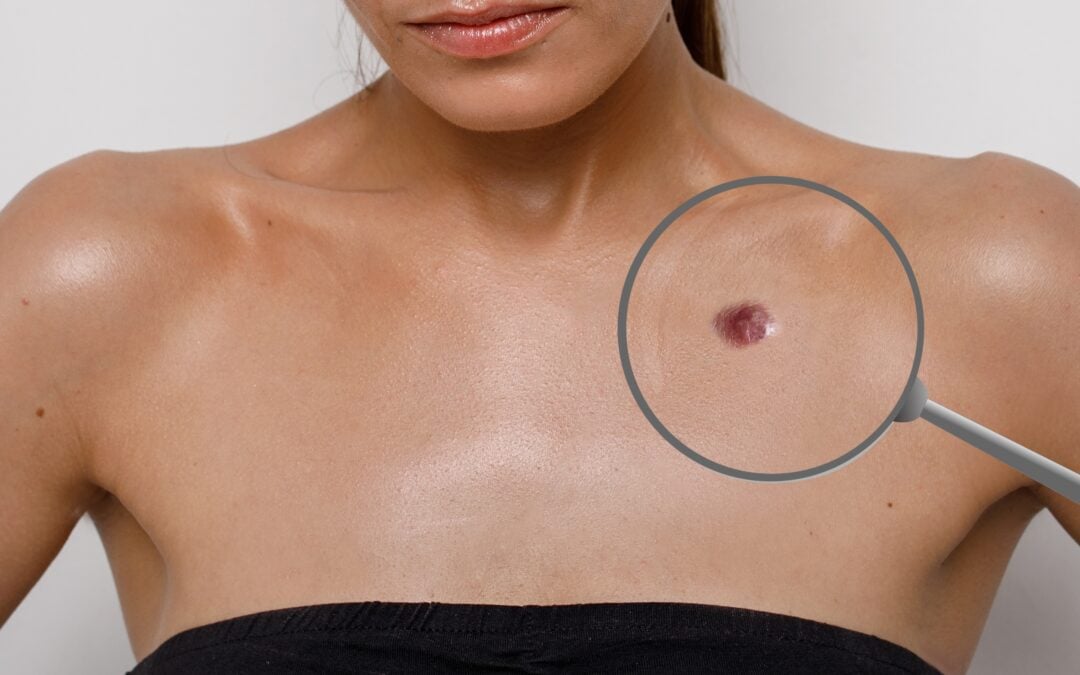
Ultraviolet light triggers your skin to overproduce melanin as a defense. Over a long, intense desert summer, that pigment clumps into flat brown spots (solar lentigines) and uneven patches — the classic signs of photoaging the Cleveland Clinic ties directly to sun exposure. UV also dilates tiny blood vessels, adding redness and a flushed look on top of the spots. Sun damage actually shows up in several distinct layers of the skin — and pigment is simply the most visible one.
How an IPL Photofacial in Las Vegas Works
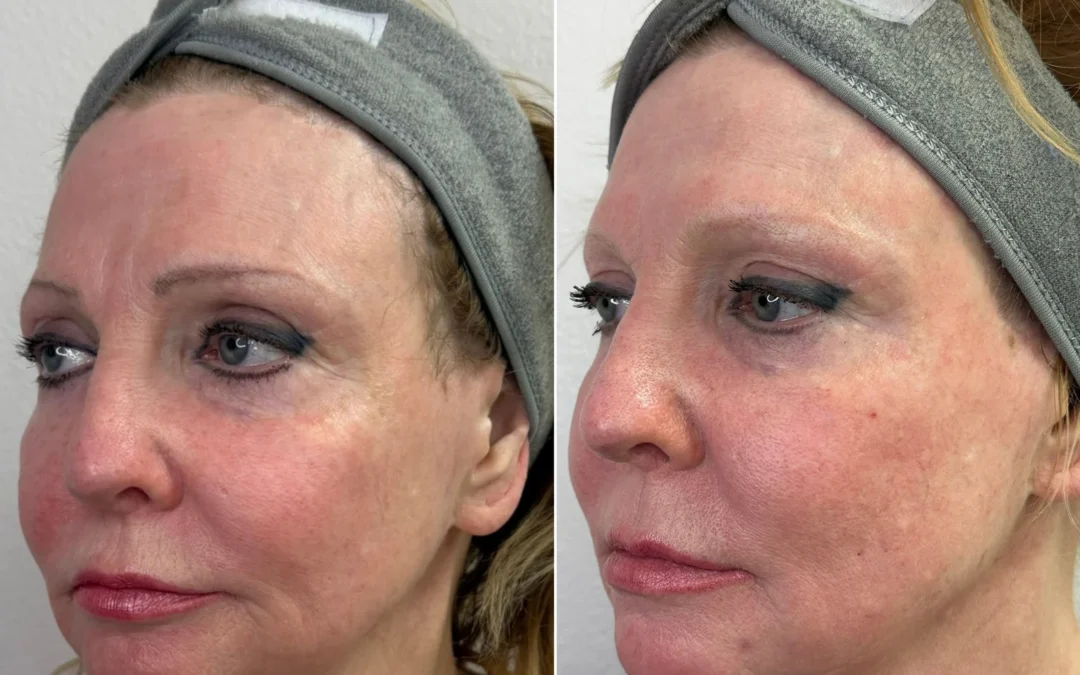
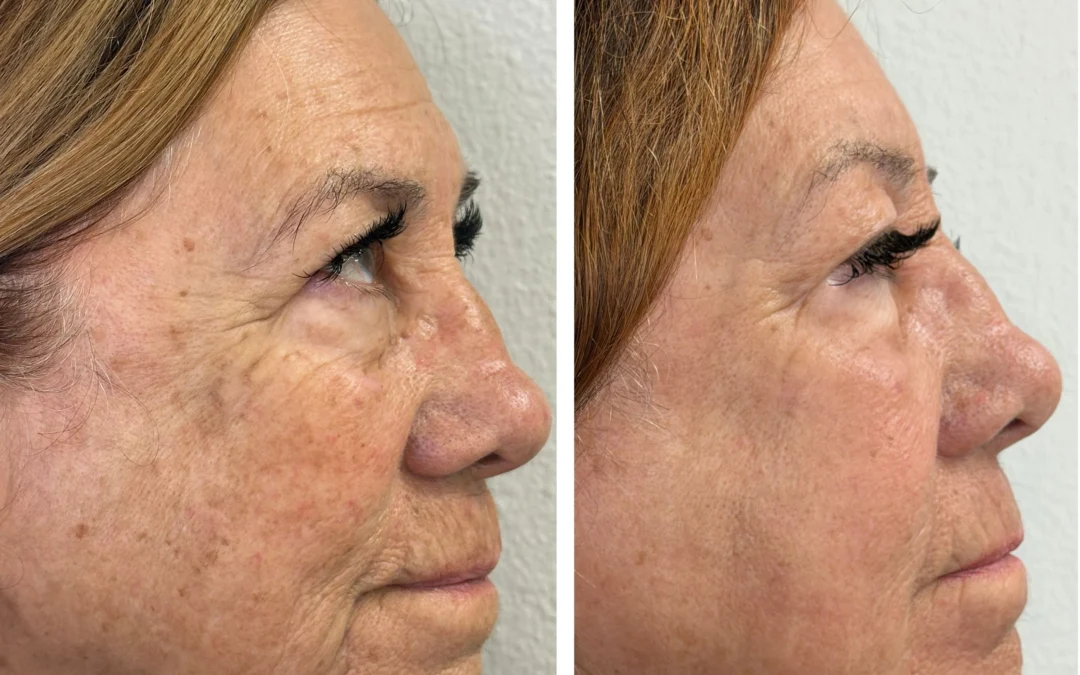
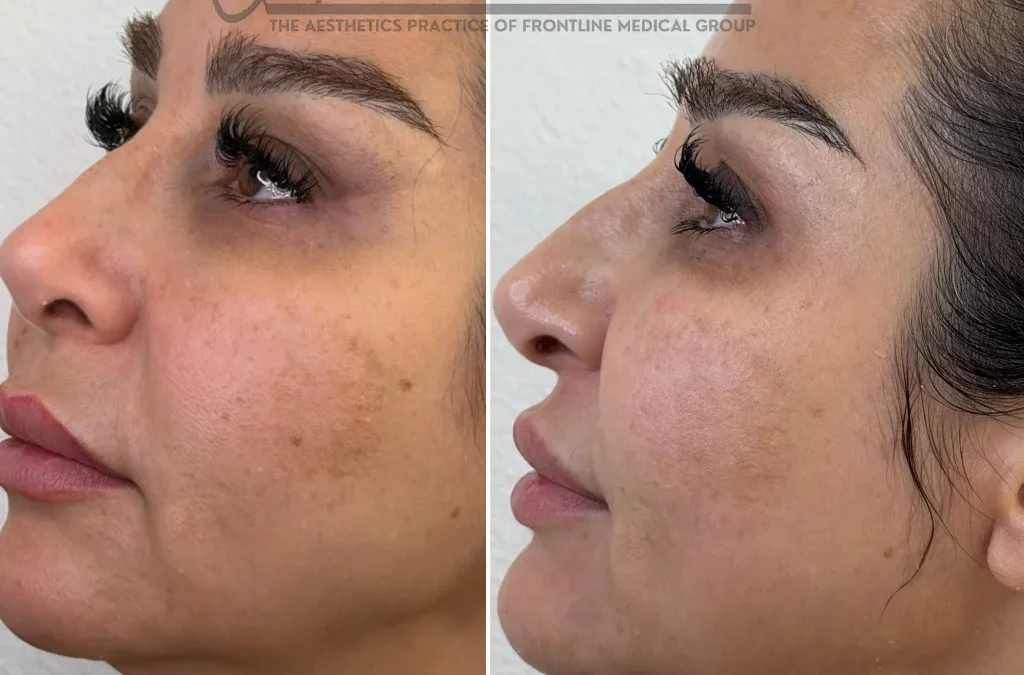
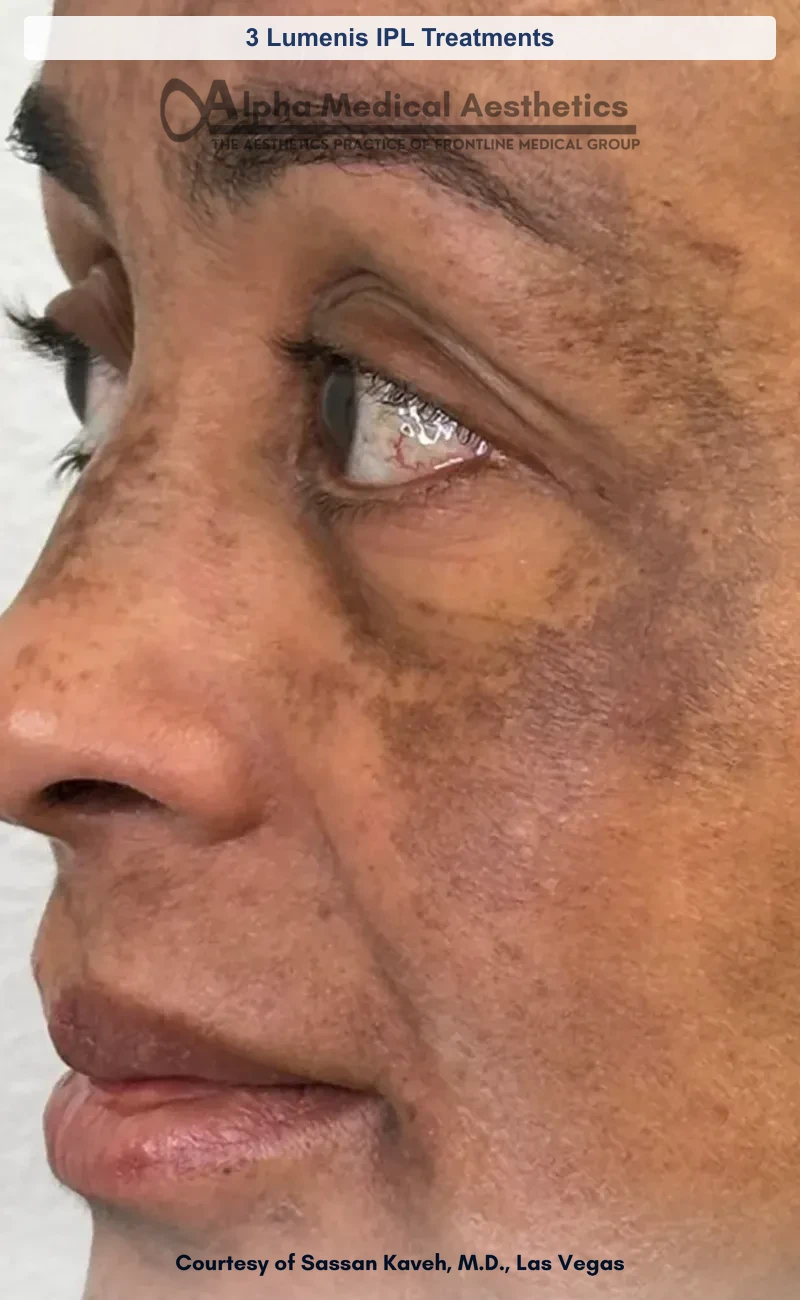
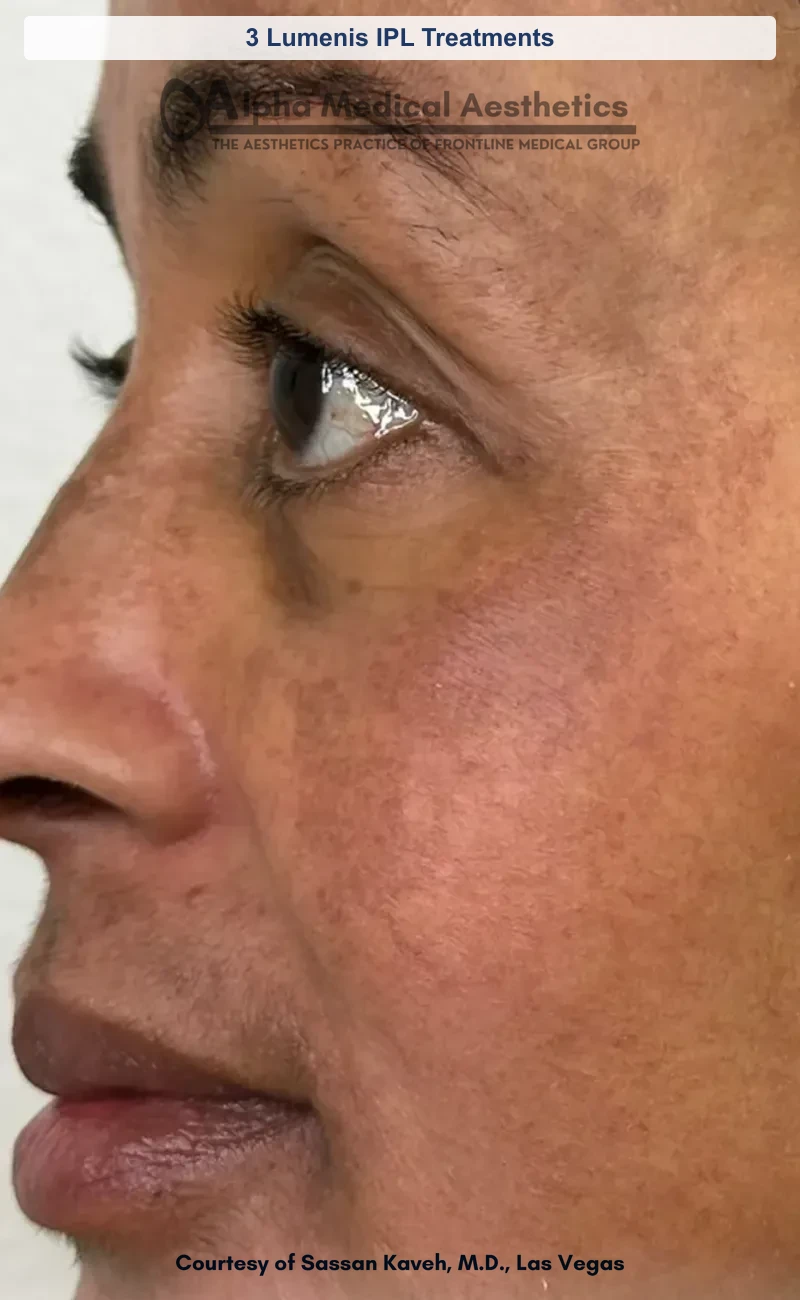
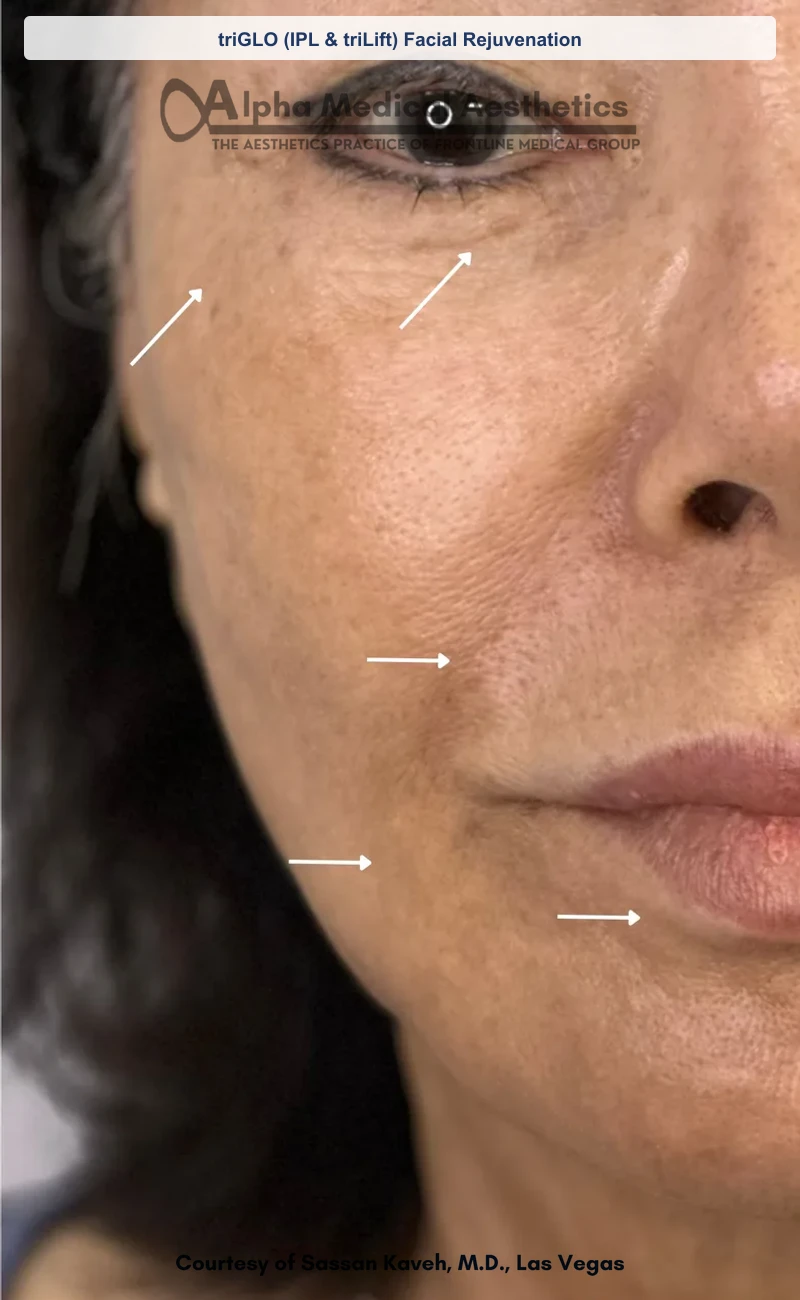
IPL — intense pulsed light — delivers broad-spectrum light that is absorbed by two targets at once: the melanin in your spots and the hemoglobin in those tiny vessels. The energy shatters the excess pigment, which then rises to the surface and flakes away over the following days, while simultaneously calming redness and broken capillaries. The result is clearer, more even, more luminous skin. Because a single IPL photofacial in Las Vegas tackles both pigment and redness in one pass, it’s one of the most efficient tools we have for reversing a summer’s worth of damage.
What an IPL Photofacial Treats
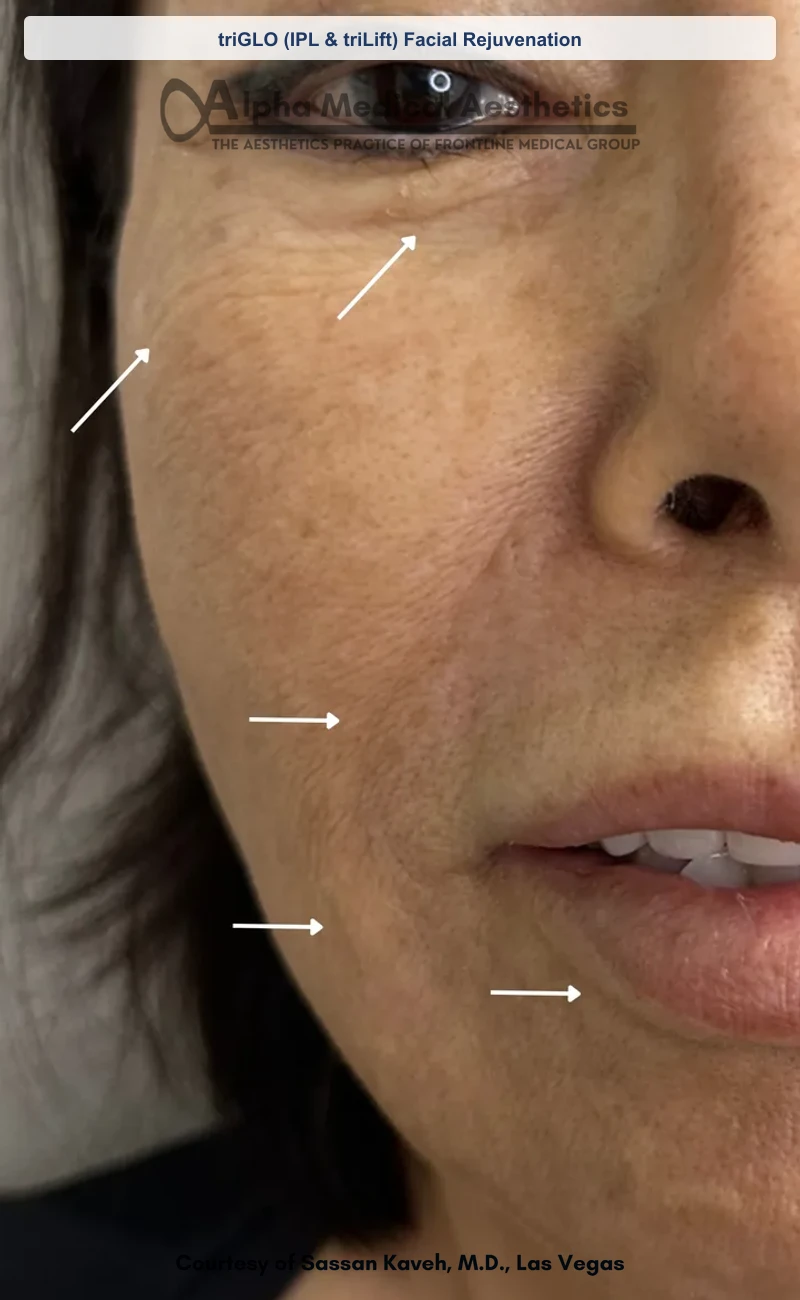
Depending on your skin, IPL can dramatically improve:
- Sun spots, age spots, and freckling from UV exposure
- General brown discoloration and uneven tone
- Redness, flushing, and rosacea-type ruddiness
- Broken capillaries and small facial vessels
- Overall dullness — restoring a healthy, lit-from-within glow
IPL shines on surface pigment. Deeper or hormonal pigmentation such as melasma can behave differently and sometimes needs a tailored or combined plan — which is exactly why an in-person evaluation matters. For a broader look at pigment correction, see our guide to IPL for hyperpigmentation, and for deeper texture concerns, laser skin resurfacing.
IPL vs. Other Pigment Treatments
Not every brown spot wants the same tool. Here’s how an IPL photofacial in Las Vegas stacks up:
| Approach | Best for | Downtime | Speed of results |
|---|---|---|---|
| IPL Photofacial | Surface sun spots + redness | Little to none | Days to a couple of weeks |
| Topical brighteners | Mild, diffuse discoloration | None | Months |
| Fractional resurfacing | Pigment + texture + lines | Several days | Weeks to months |
| Prescription for melasma | Hormonal/deep pigment | None | Months, ongoing |
Why Fall Is the Smartest Time for IPL
Like all light-based pigment treatments, IPL works best on skin that isn’t actively tanned, and treated skin should be kept out of the sun afterward. The board-certified dermatologic surgeons at the American Society for Dermatologic Surgery emphasize sun avoidance around any light or laser treatment — and Las Vegas fall makes that far easier. Lower UV means better safety, stronger results, and clear skin that lasts.
What to Expect: Sessions, Downtime, and Results
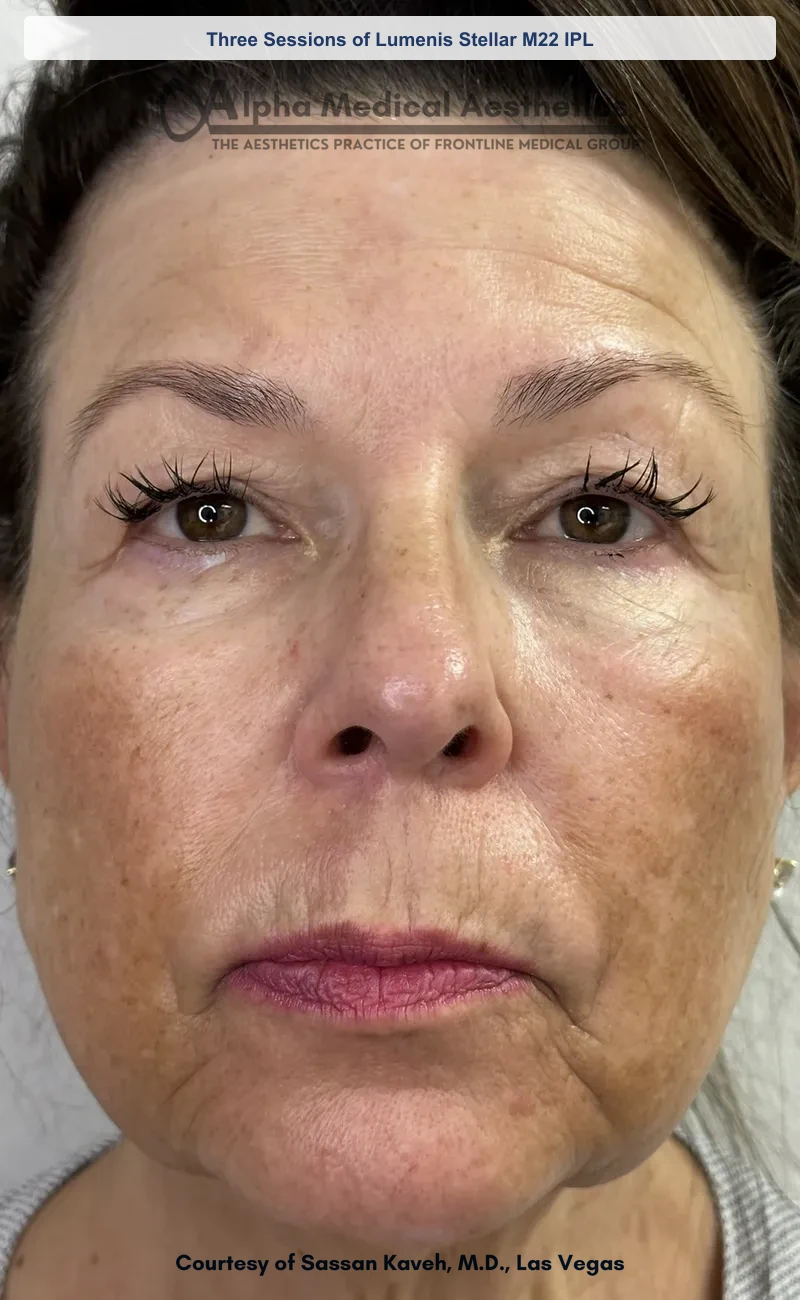
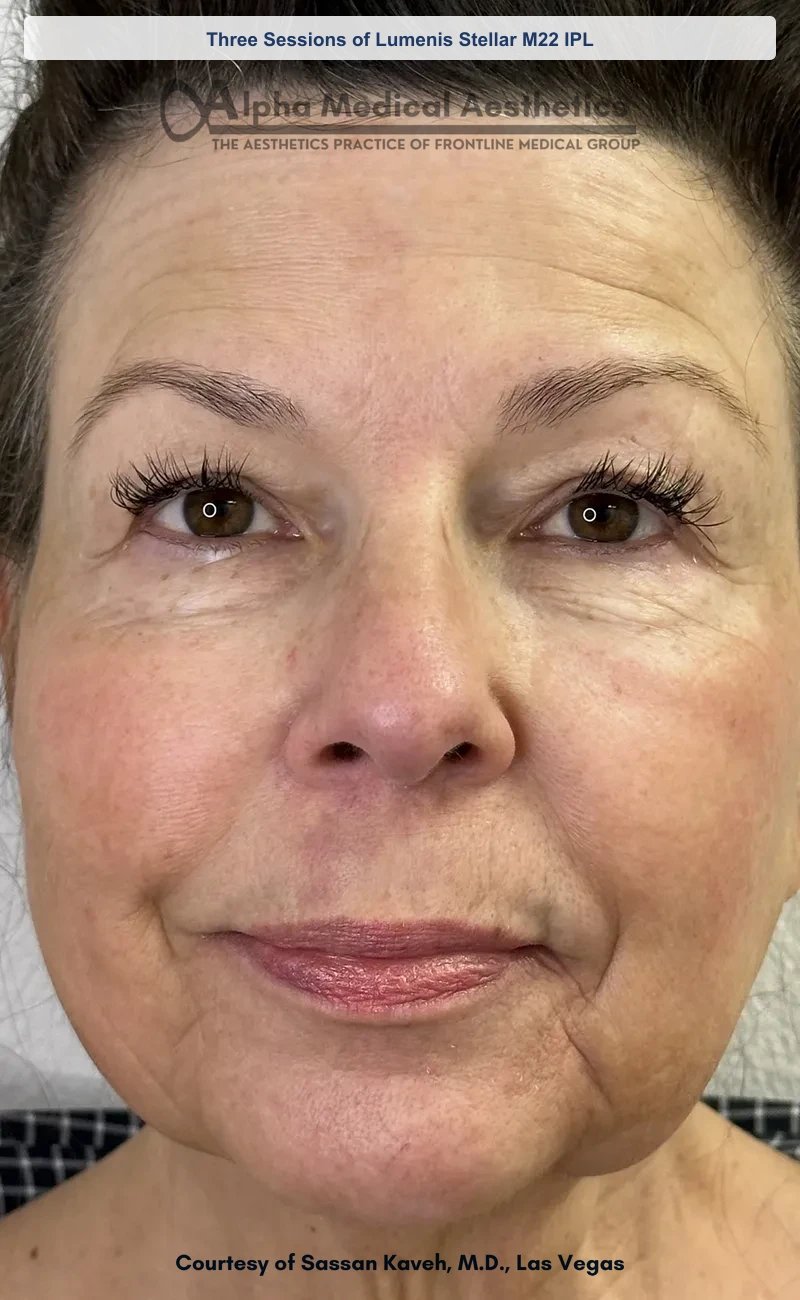
Here’s the honest rundown. An IPL photofacial has little to no downtime — you can usually walk out and back into your day. Your spots often look slightly darker for a few days (that’s the pigment lifting to the surface — a sign it’s working) before they flake away and fade. Any redness typically settles within hours to a day. Most patients get the clearest, longest-lasting result from a short series spaced a few weeks apart, and daily sunscreen is non-negotiable afterward to keep new spots from forming.
How I Personalize Your IPL Plan
No two faces carry sun damage the same way, so I don’t treat them the same way. During your consultation I assess your skin type, the depth and pattern of your pigment, any redness or vessels, and your history — then dial the IPL settings and session count to you. Sometimes IPL alone is the whole answer; sometimes I’ll layer it with resurfacing or a targeted treatment like CO2 around the eyes for a complete result. The goal is always natural, even, healthy-looking skin — not an obviously “treated” look.
Frequently Asked Questions
How Many IPL Sessions Will I Need?
Many patients see improvement after a single session, but a short series of a few treatments usually delivers the clearest, most even result. Your plan depends on how much pigment you have and your skin type.
Is an IPL Photofacial Painful?
Most people describe a quick snapping sensation, like a light rubber band. Treatments are well tolerated and require no anesthesia for most patients.
Is There Any Downtime?
Very little. Spots may darken and flake for several days, and some residual redness from heat. You can usually return to normal activities right away with diligent sun protection.
Can IPL Treat Melasma?
IPL is best for surface sun spots. Melasma can be more complex and may need a tailored or combined plan, which Dr. Kaveh will discuss at your consultation.
Personalize Your Plan
You got the idea of IPL and how it works, now decide if our office is right for you. Bring your questions (and this article, if you like) to a complimentary evaluation with Dr. Kaveh, and walk out with your own personalized protocol: whether an IPL photofacial in Las Vegas is right for your pigment, how many sessions you’ll need, and exactly what the plan costs. You will get a physician’s plan you can act on the same week.
Your skin is aging right now — your plan can start now too. Call 702-683-2156 or schedule online in under a minute. You can also reach us through our contact page. Serving Las Vegas, Summerlin, and Henderson.
Individual results vary; a consultation is required to determine candidacy.