

FACIAL REJUVENATION
Fotona Rosacea & Facial Redness Treatment
Calm the Redness. Clear the Vessels.
FOTONA ROSACEA LASER TREATMENT THAT TARGETS BOTH THE VISIBLE VESSELS AND THE INFLAMMATION BEHIND THEM.
Fotona rosacea treatment is fascinating, rosacea isn’t one condition, and that’s why so many people are treating it with the wrong thing. The persistent flush and visible vessels of one type need a completely different approach from the inflammatory bumps of another — and many patients have both. At Alpha Medical Aesthetics, Dr. Sassan Kaveh identifies which type you have and treats it specifically, using an Nd:YAG laser protocol designed for each.

What is Rosacea?
Rosacea is a chronic inflammatory skin condition affecting the central face — cheeks, nose, chin and forehead. It typically begins with episodic flushing and progresses toward persistent redness. It has several distinct subtypes and the two we treat most often are:
Erythematotelangiectatic rosacea — persistent facial redness with visible small blood vessels (telangiectasias), often with a burning or stinging sensation and a face that flushes easily in response to heat, alcohol, spicy food or stress.
It has several distinct subtypes: Papulopustular rosacea — the inflammatory form, with red papules and pustules on a background of redness. It is frequently mistaken for adult acne, and treated — unsuccessfully — as such.
Rosacea is a chronic condition. It can be controlled, often very well, but it is managed rather than cured. Any clinic that promises a permanent cure is not being straight with you. The American Academy of Dermatology is equally direct: laser and light therapy are usually part of a treatment plan rather than the whole of it.
How Does Fotona Rosacea Treatment Work?
We use the 1064 nm Nd:YAG wavelength, which is strongly absorbed by hemoglobin — the pigment in blood — and penetrates deeply enough to reach the vessels that matter.
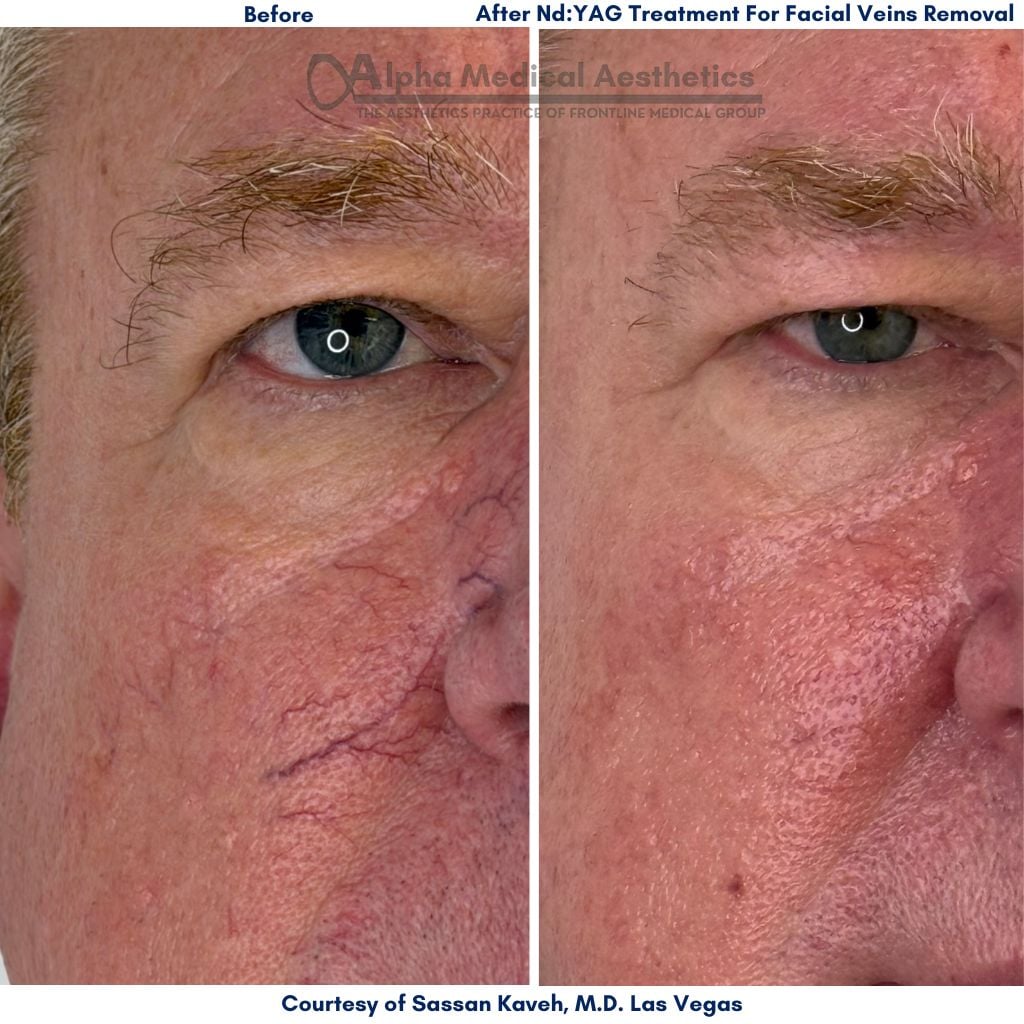
For visible vessels (erythematotelangiectatic rosacea)
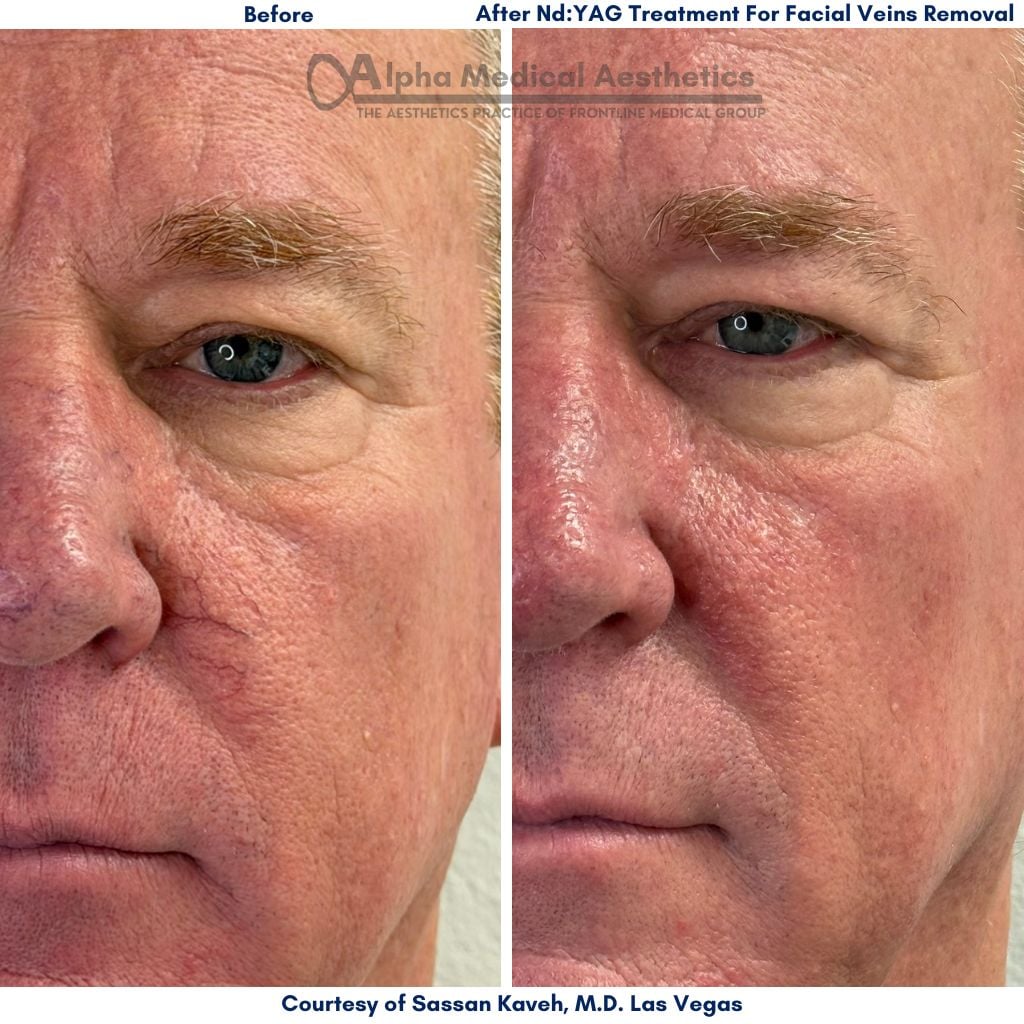
The laser is traced directly over individual vessels, delivering energy that is absorbed by the blood inside them. The vessel wall is heated and coagulated, the vessel collapses, and the body gradually reabsorbs it over the following weeks. The technique is most effective on the fine vessels under 0.5 mm in diameter that give the face its diffuse red appearance. This approach is documented in the literature: a 2023 report in Annales de Dermatologie et de Vénéréologie describes treating telangiectatic rosacea with a long-pulsed Nd:YAG laser in an “in motion” setting.
These vessels can be genuinely hard to see with the naked eye, so we use visual enhancement — polarized vascular visualization — to map them accurately before treating. Treating vessels you can properly see is the difference between clearing them and guessing.
For inflammatory papules (papulopustular rosacea)
Here the laser is applied over the papules themselves with longer pulse durations, using one to two passes. Photoselective heating of the inflamed tissue reduces the inflammatory lesion directly. Fluences are adjusted by Fitzpatrick skin type.
The anti-inflammatory step
We can add an optional whole-face FRAC3® pass that reduces inflammatory cytokine activity — the signaling molecules that drive the inflammatory cascade. Rather than treating individual lesions, this distributes a large number of low-energy pulses across the whole face to calm the underlying inflammatory tendency. For patients whose rosacea is diffuse and reactive rather than focal, this step often makes the largest difference.


Why Choose Alpha Medical Aesthetics for Rosacea?
Most medspas offer IPL for facial redness, and IPL is a genuinely good treatment for diffuse background flushing — we offer it too. But it is not the right tool for every presentation, and the difference matters.
Nd:YAG reaches deeper and targets individual vessels far more precisely than IPL, which makes it the better choice for discrete visible telangiectasias and for the larger vessels around the nose and cheeks. It’s also a safer choice on darker skin types, where IPL carries more risk. Long-pulsed Nd:YAG has also been compared directly against pulsed dye laser for rosacea-associated nasal telangiectasia.
At Alpha Medical Aesthetics we have both, plus the FRAC3 anti-inflammatory option — and Dr. Kaveh’s 25+ years of medical experience behind the decision about which to use. Rosacea is a medical condition, and a physician-directed practice is the right setting for it.
Every Fotona treatment at our Las Vegas clinic is overseen by Dr. Sassan Kaveh, who completed hands-on manufacturer training on the Fotona® SP Dynamis Max laser system. See his training and credentials →

Physician-Led Med Spa
Procedure at Alpha Medical Aesthetics are performed under the direction of Dr. Sassan Kaveh, who personally tailors every treatment to your facial anatomy.

Comprehensive Expertise

Innovative Technology
At Alpha Medical Aesthetics, we invest in proven, medical-grade technology so you get real results with as little downtime as possible.

What to Expect During Fotona Rosacea Treatment
Your Fotona rosacea treatment experience at Alpha Medical Aesthetics includes:
- Consultation: Dr. Kaveh examines your face, determines your rosacea subtype, reviews your triggers and any current medications, and builds a plan. We’ll also discuss whether topical or oral medical therapy should run alongside laser treatment.
- Preparation: Your face is cleansed and makeup removed. Vessels are mapped using visual enhancement. Protective eyewear is worn throughout.
- Treatment: The handpiece traces individual vessels and/or treats papules, with the optional anti-inflammatory pass across the full face. You’ll feel a sharp, hot snapping sensation over the vessels — brief, and most patients tolerate it easily.
- Duration: Typically 20 to 45 minutes.
Expect redness and possibly mild swelling for several hours to a day. Treated vessels may look darker or more prominent briefly before fading. Most patients return to normal activity the same day, with makeup usually fine the next.
The Benefits of Fotona Rosacea Treatment
- Targets the specific subtype you actually have.
- Clears visible telangiectasias vessel by vessel.
- Reduces persistent background redness.
- Treats inflammatory papules and pustules directly.
- Optional anti-inflammatory step that reduces inflammatory cytokine activity.
- Deeper and more precise than IPL for discrete vessels.
- Safer on darker skin types than shorter-wavelength light sources.
- Minimal downtime.
- Works alongside your existing topical or oral rosacea therapy.


Is Fotona Rosacea Treatment Right for You?
This treatment is a good option for people who:
- Have persistent facial redness that doesn’t settle.
- Have visible small vessels on the cheeks, nose or chin.
- Flush easily and intensely in response to heat, alcohol, spice or stress.
- Have inflammatory bumps that acne treatments haven’t helped.
- Have tried topical therapy alone without adequate results.
- Want to reduce visible redness without daily makeup coverage.
It may not be suitable for:
- Patients with an active skin infection, cold sore outbreak or open lesion in the area.
- Anyone with a recent tan or sunburn.
- Patients taking isotretinoin currently or recently.
- Anyone taking photosensitizing medications.
- Patients who are pregnant or breastfeeding.
- Anyone with ocular rosacea as the dominant problem — that needs ophthalmologic evaluation. (If dry, gritty, irritated eyes are part of your picture, ask us about OptiLight, our FDA-approved light-based dry eye therapy — the two conditions frequently travel together.)
Set expectations honestly: rosacea is chronic. Laser treatment substantially improves appearance, and a series of sessions is required, with periodic maintenance to hold the result. Identifying and managing your personal triggers remains essential regardless of what we do with a laser.

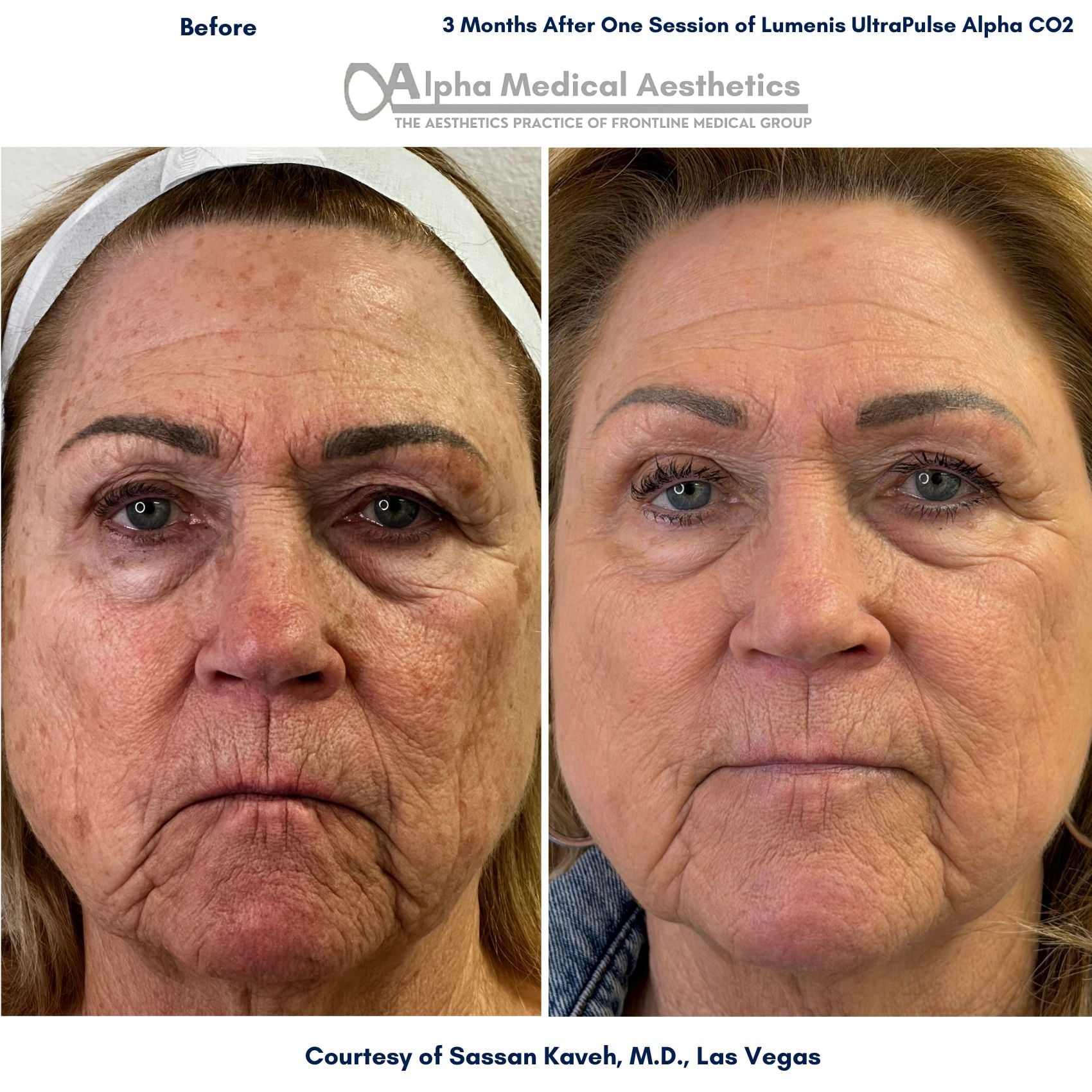
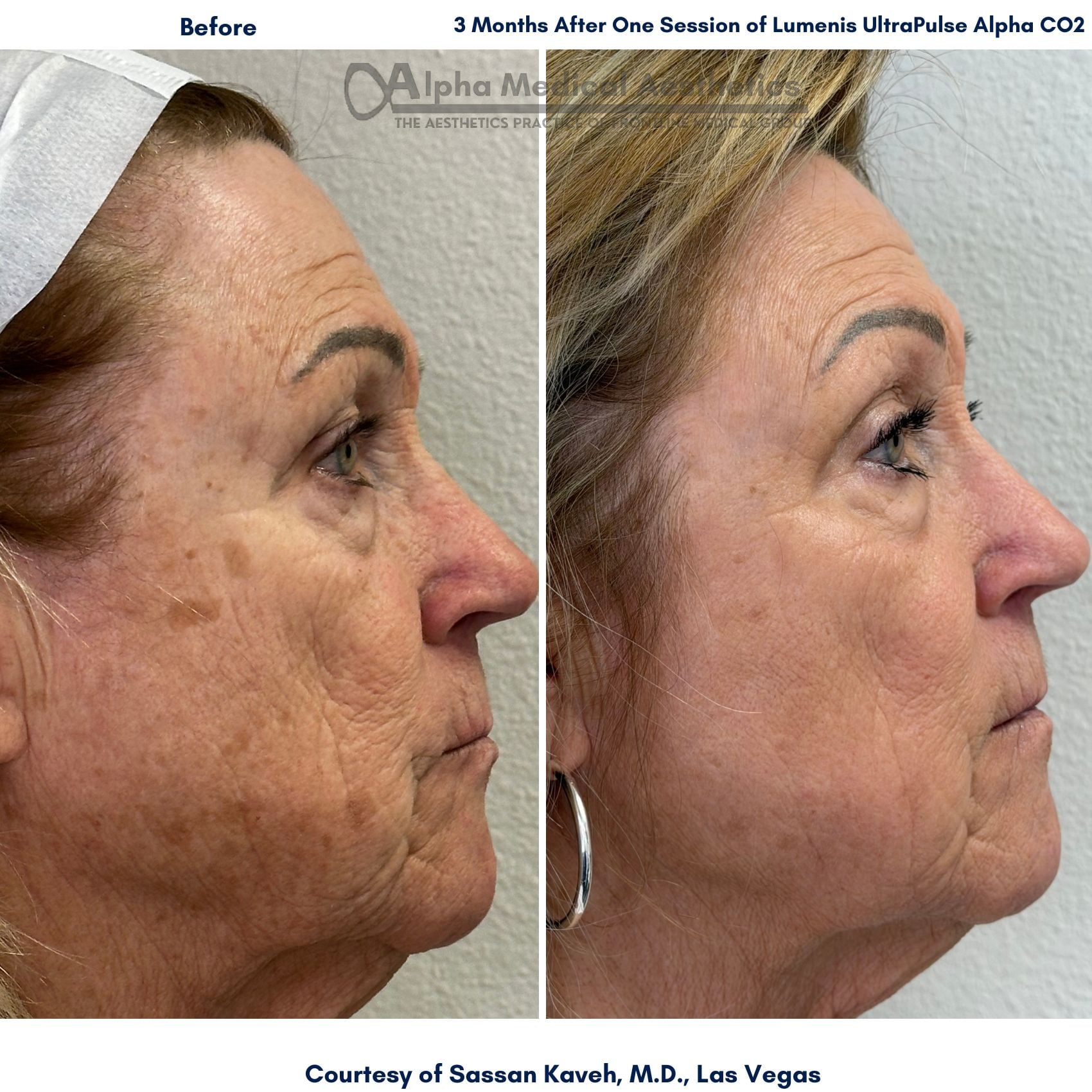
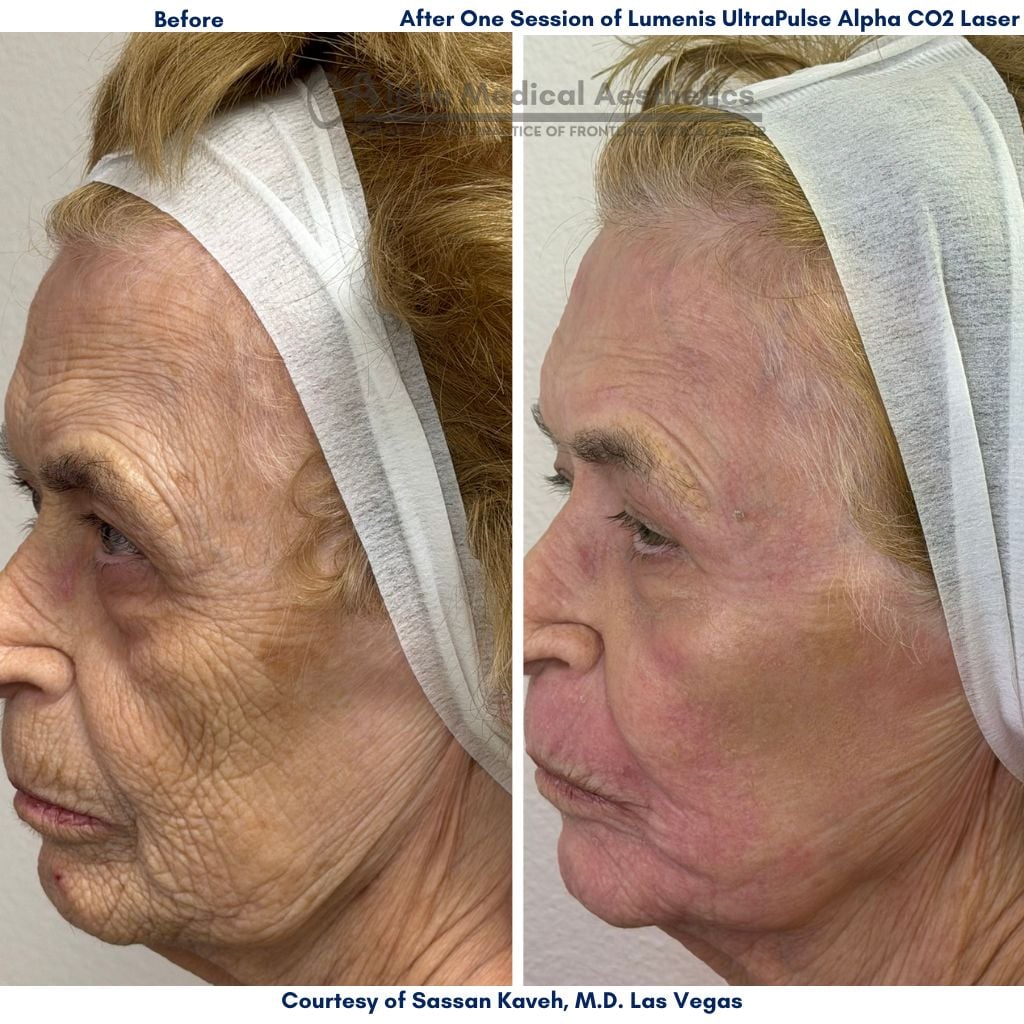
Before and After Pictures
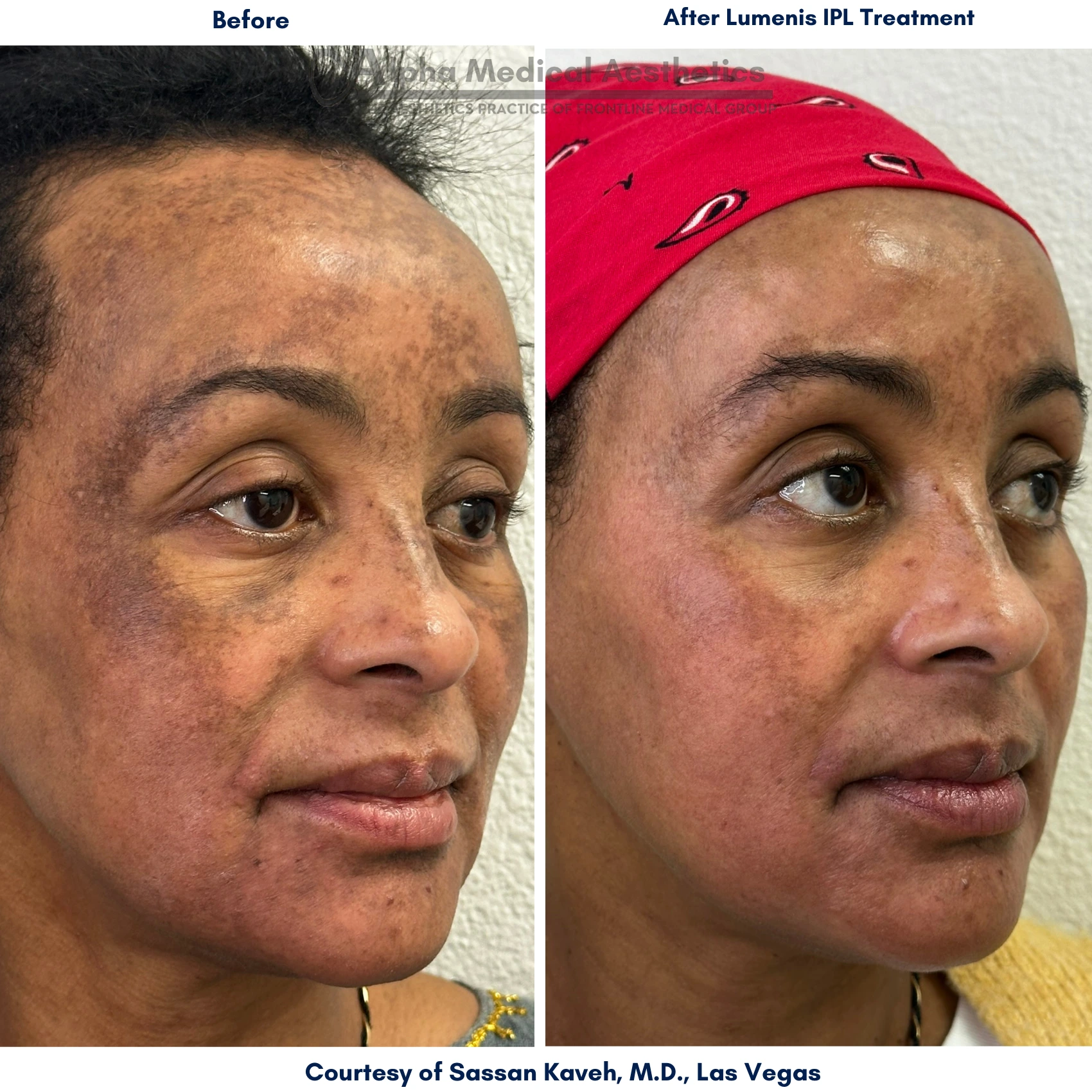
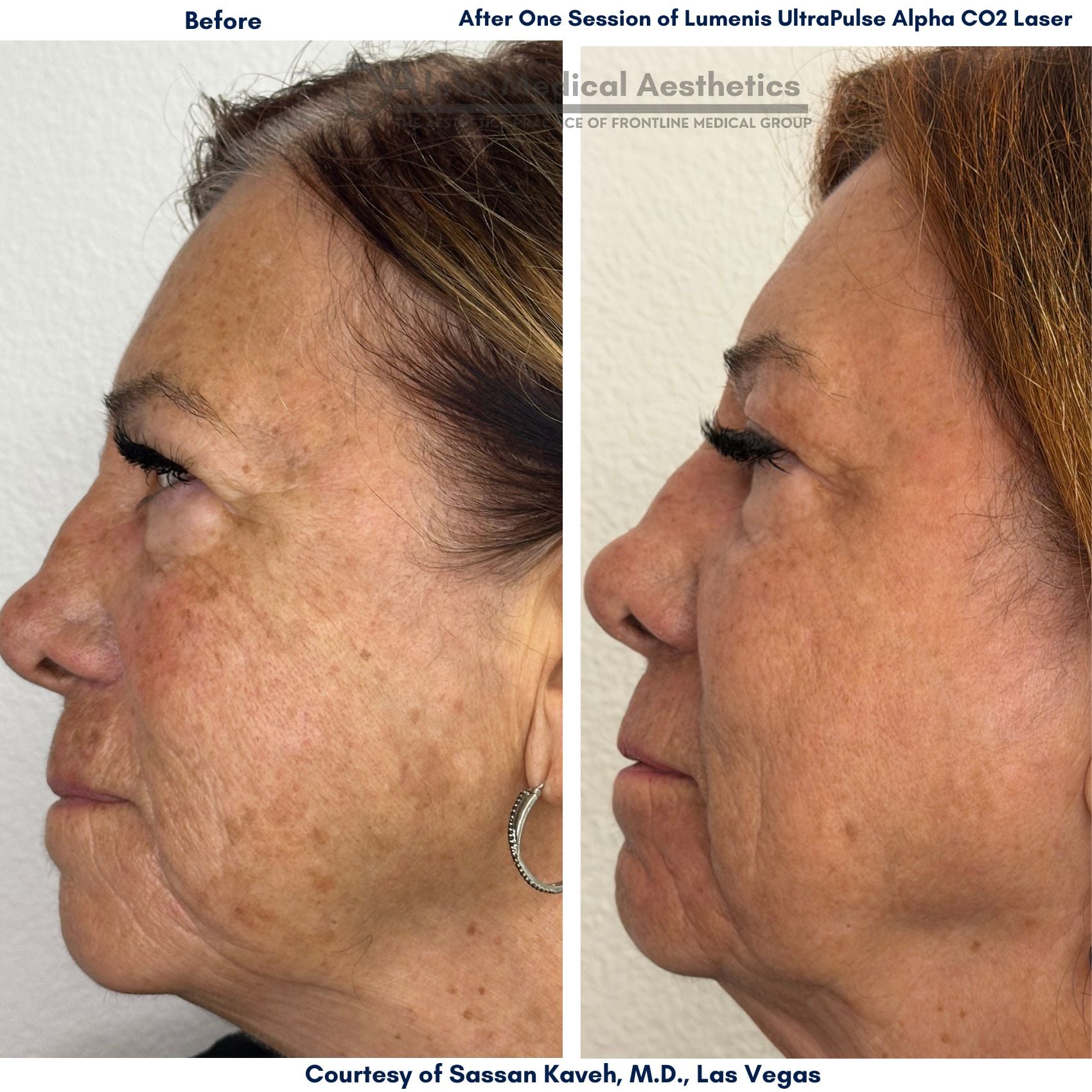
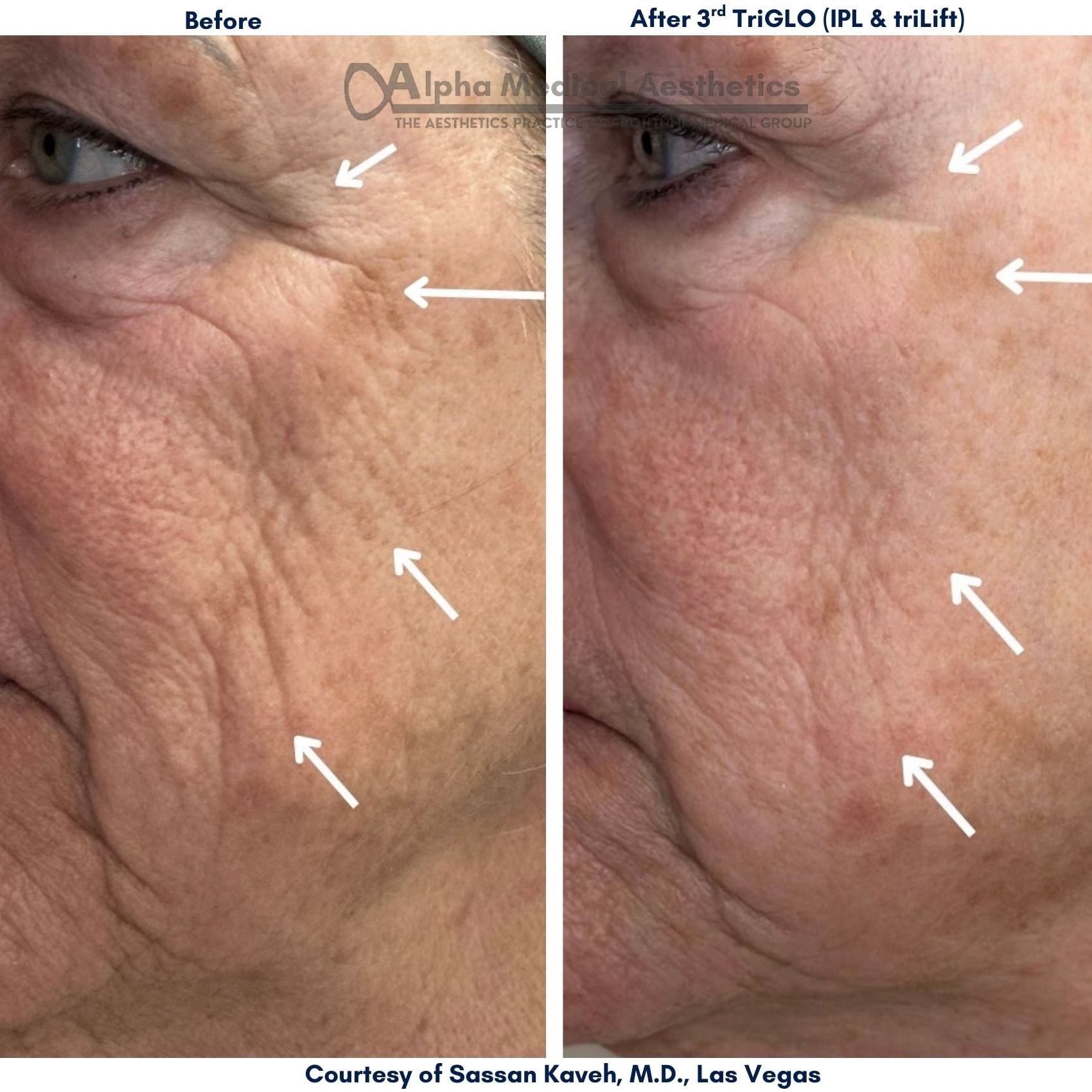
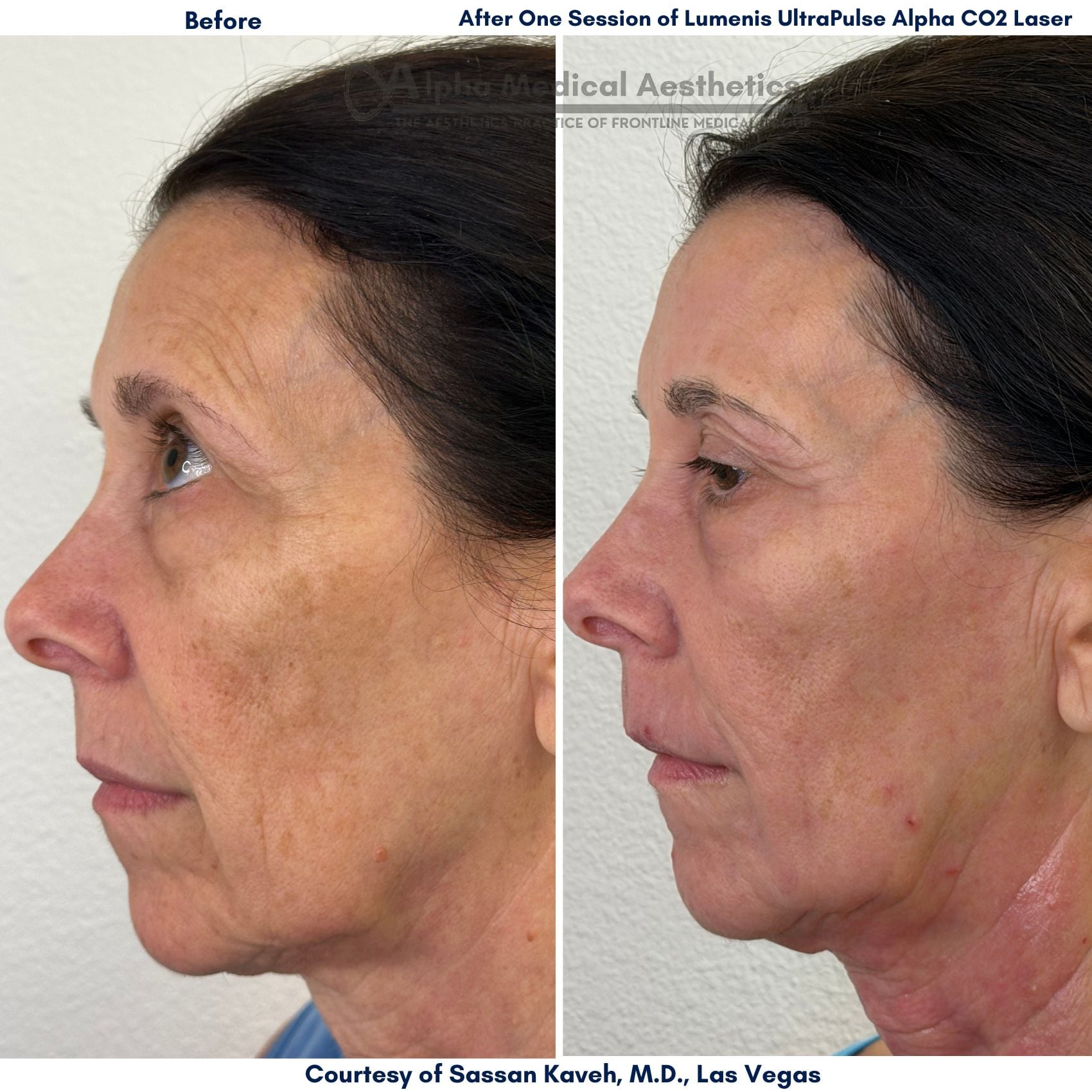
The photos below are clinical results shared by Fotona from other practices using the same technology. They are not Alpha Medical Aesthetics patients, and individual results vary.
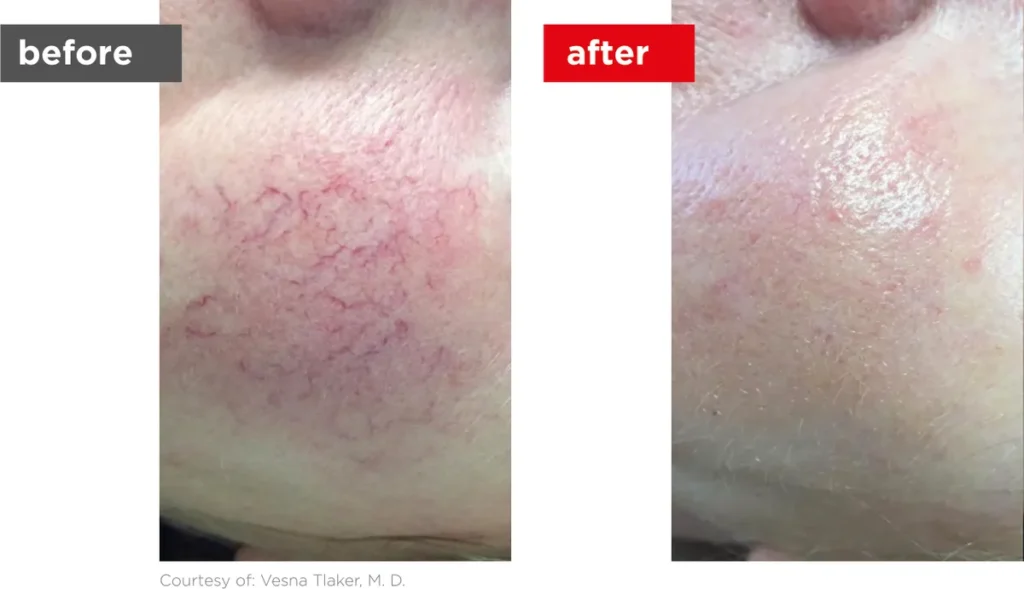
Before and after laser treatment of facial vessels. Photo courtesy of Vesna Tlaker, MD, via Fotona. Not an Alpha Medical Aesthetics patient. Individual results vary.
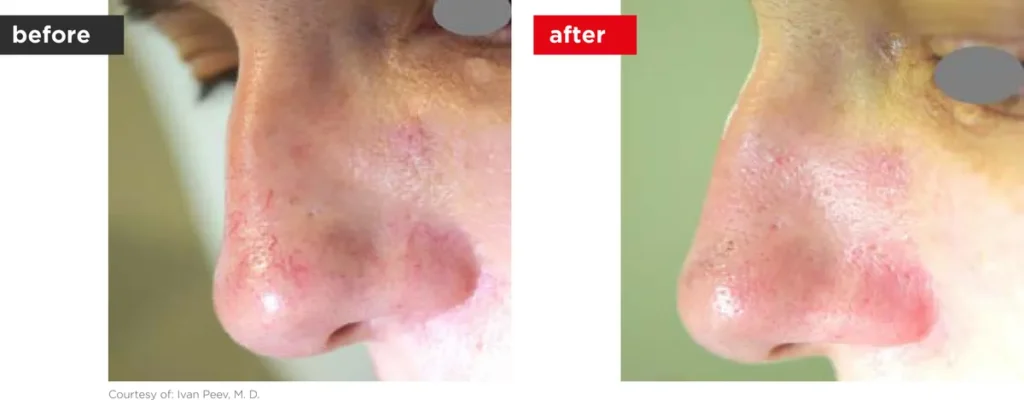
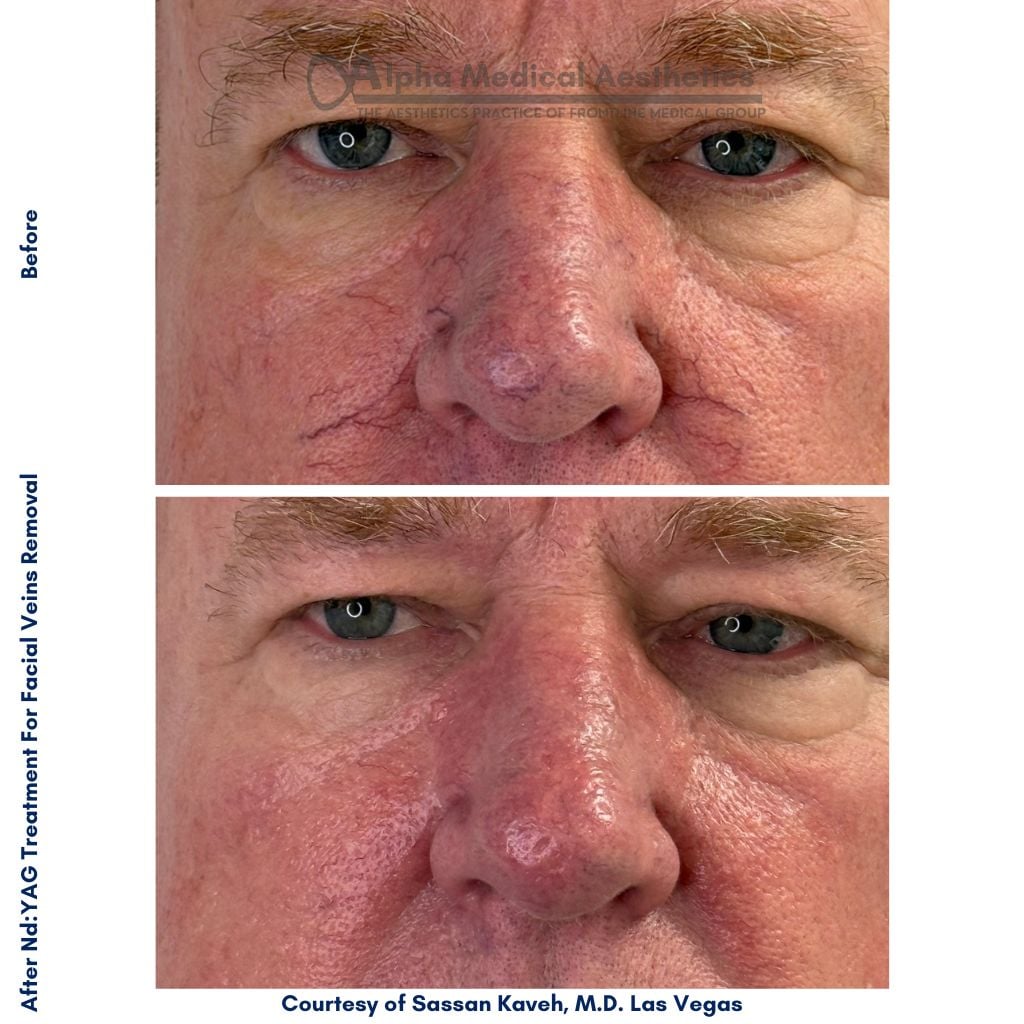
Before and after laser treatment of nasal redness. Photo courtesy of Ivan Peev, MD, via Fotona. Not an Alpha Medical Aesthetics patient. Individual results vary.
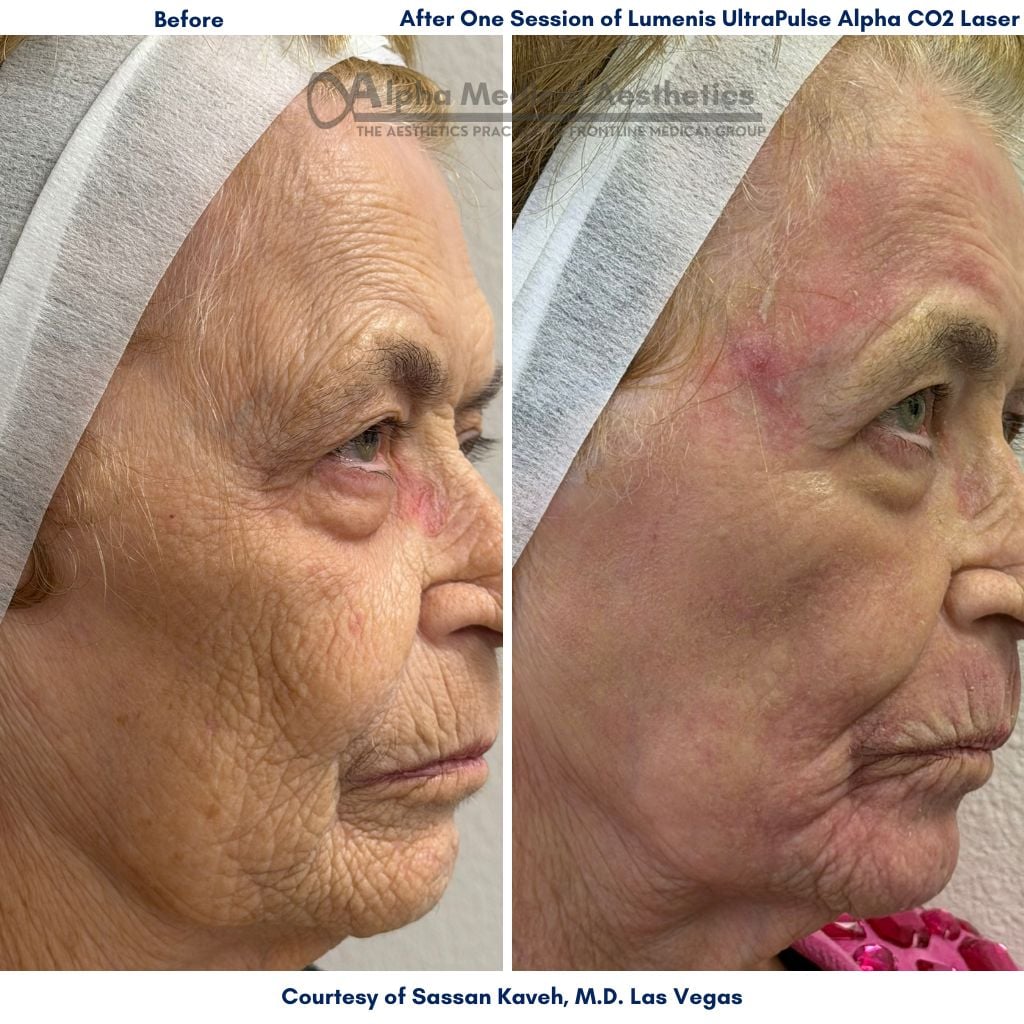
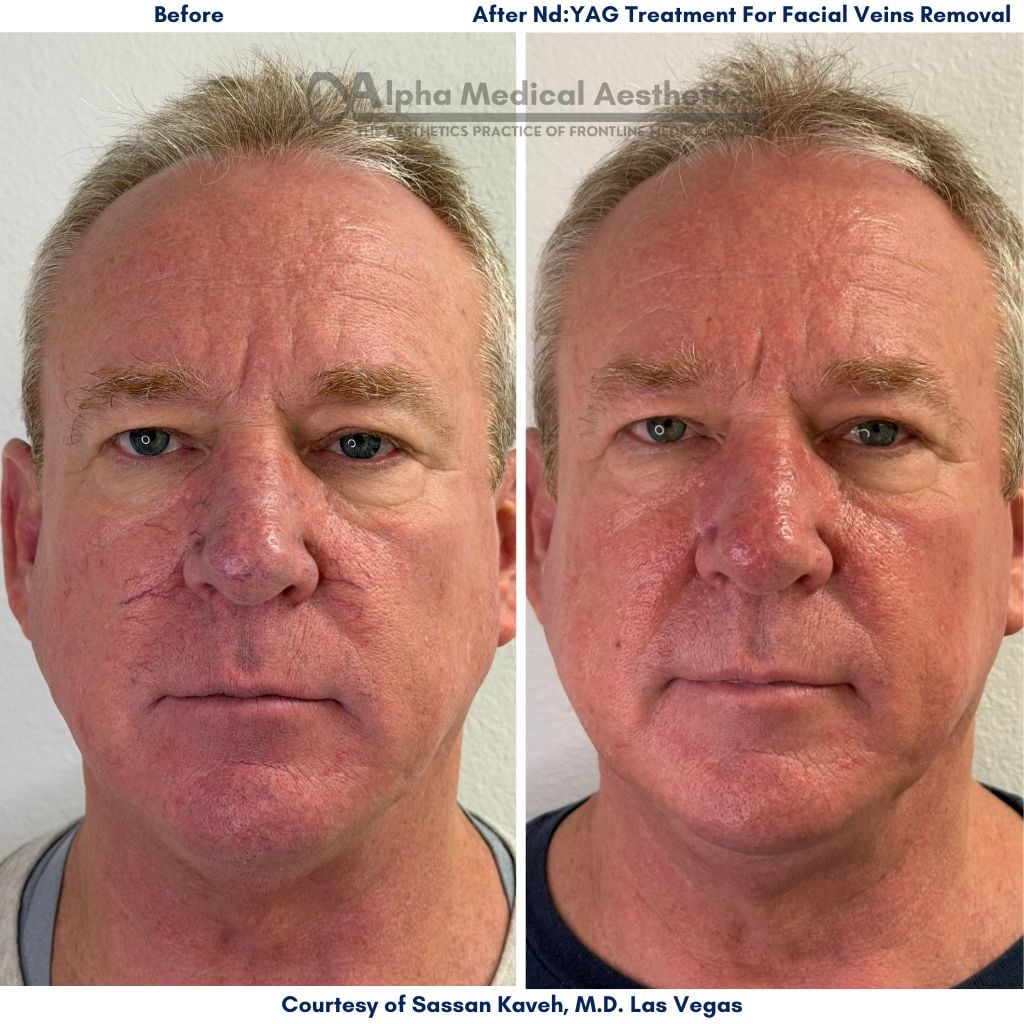
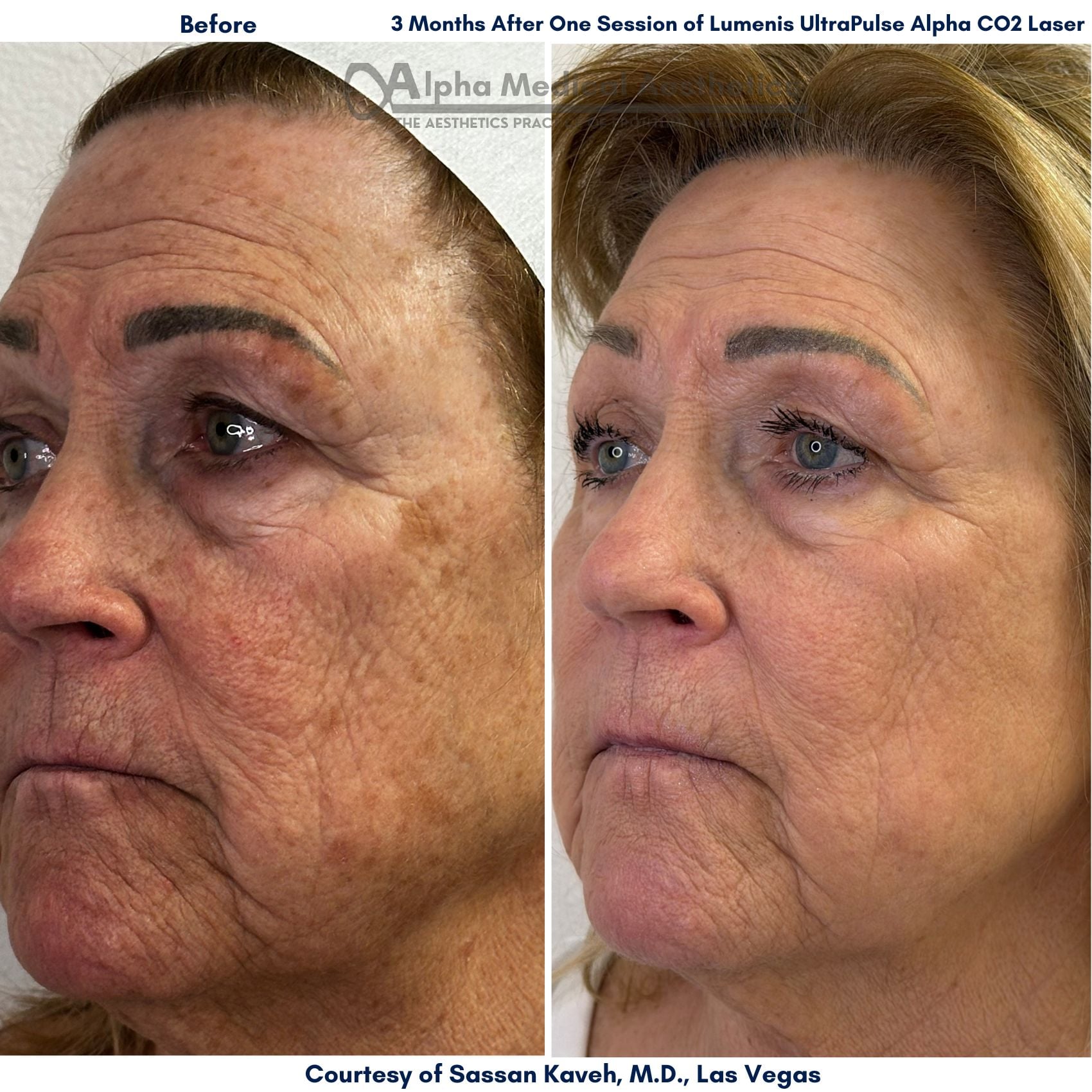
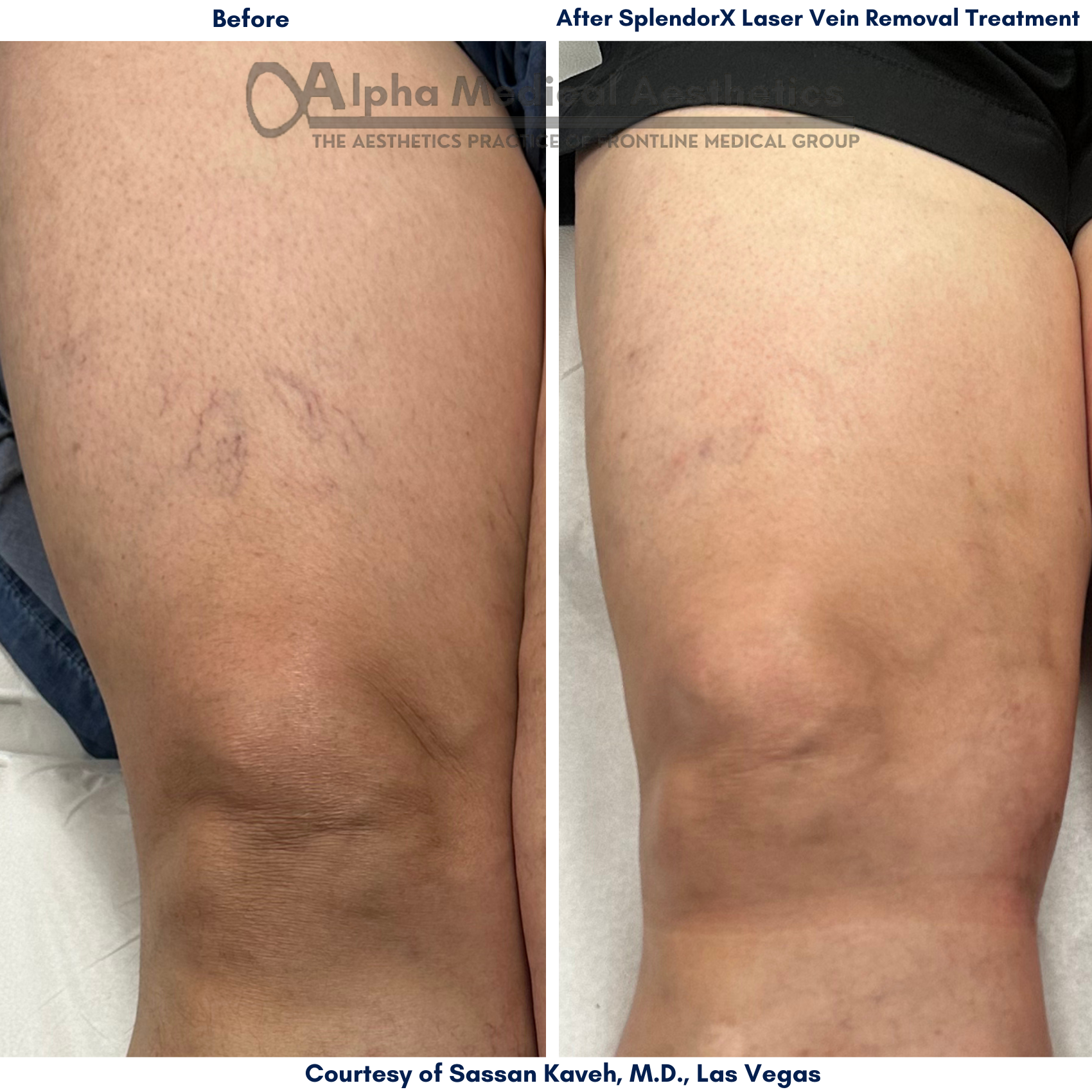
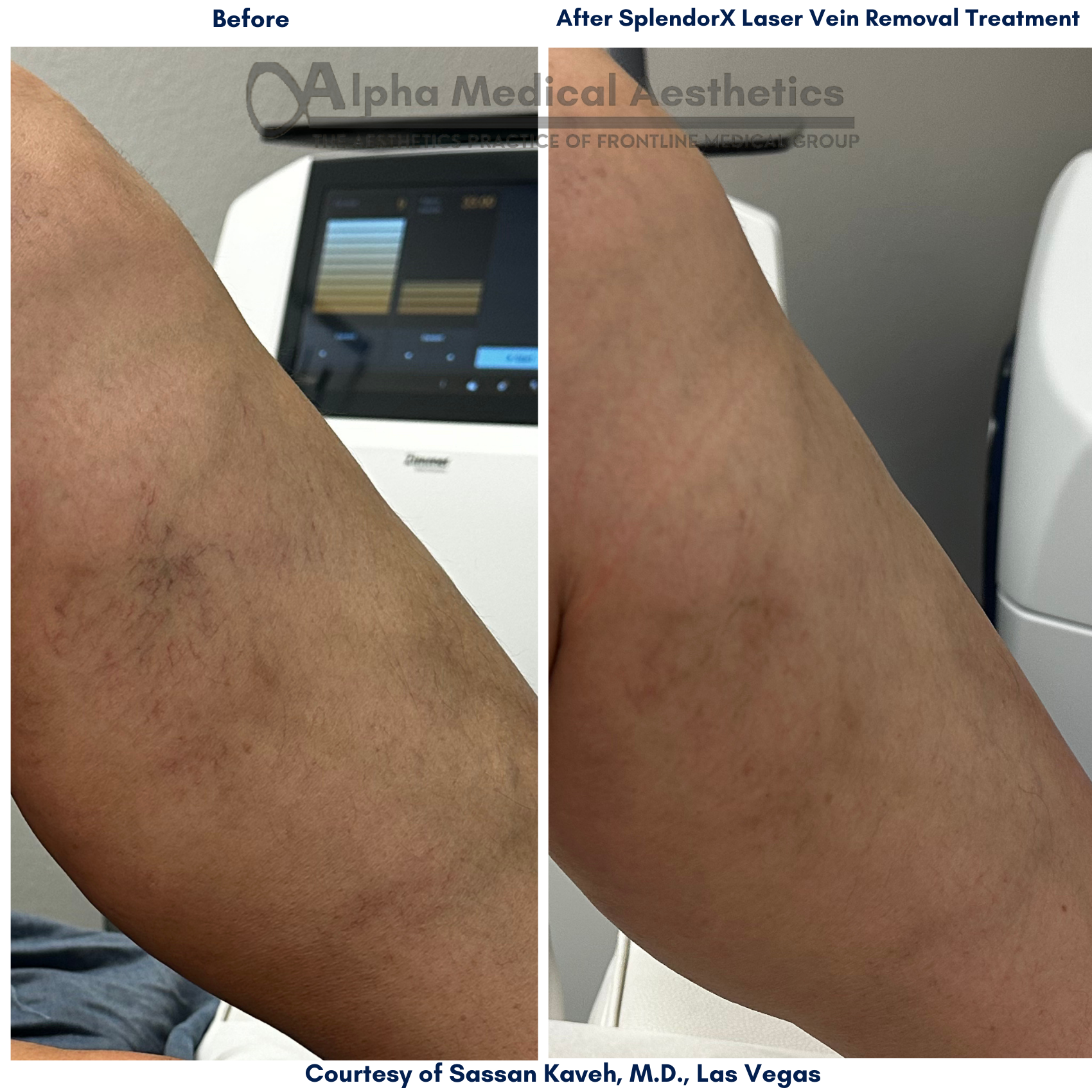
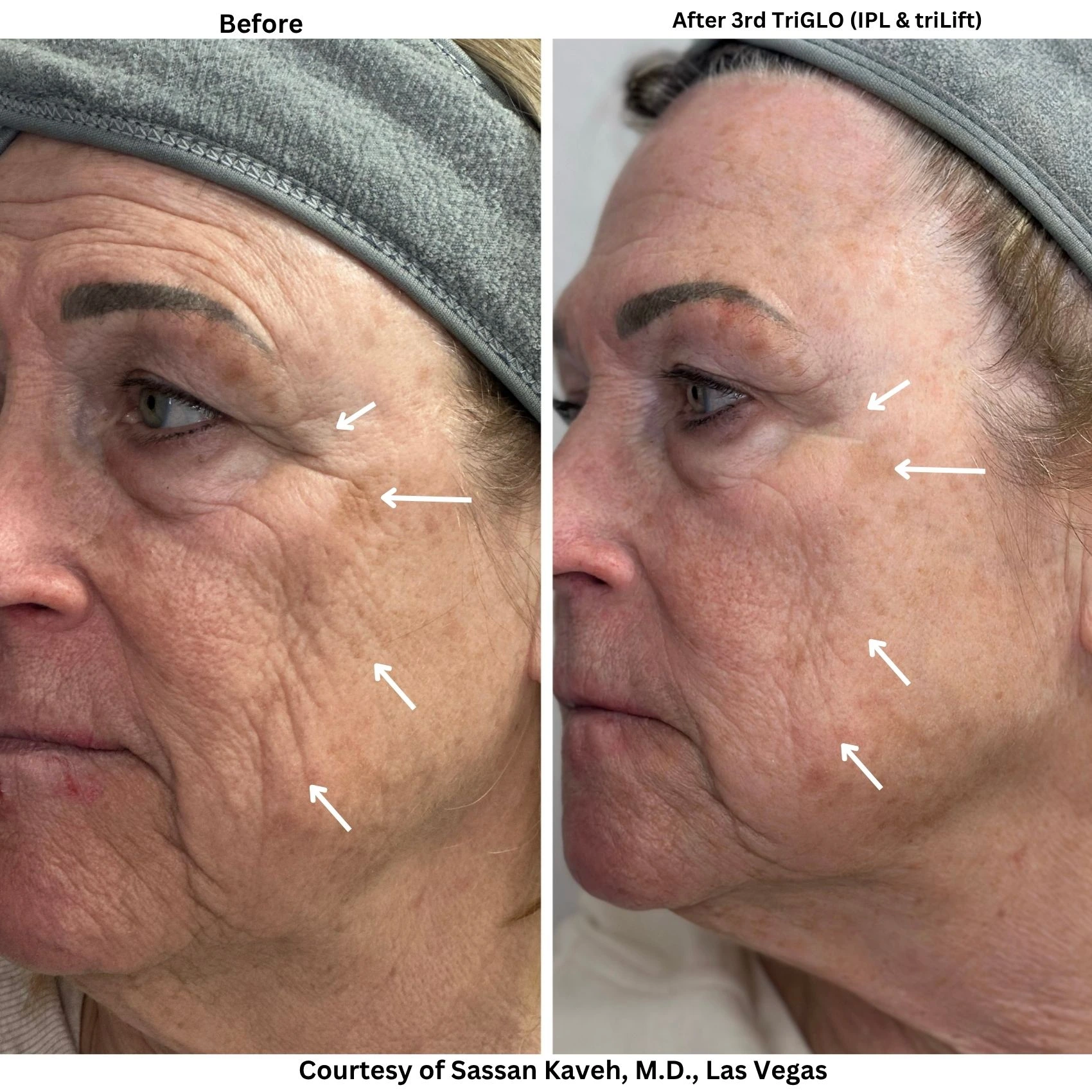
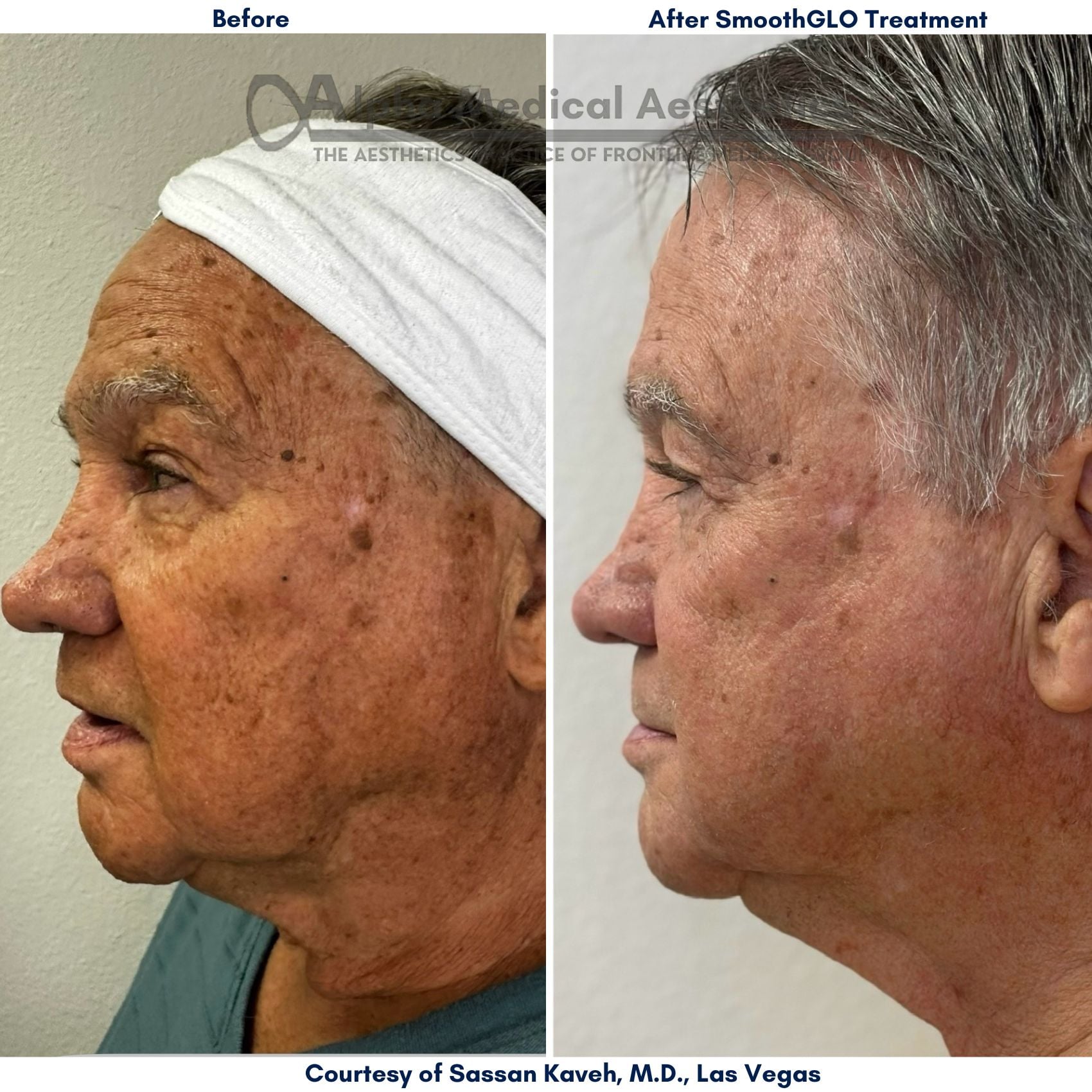
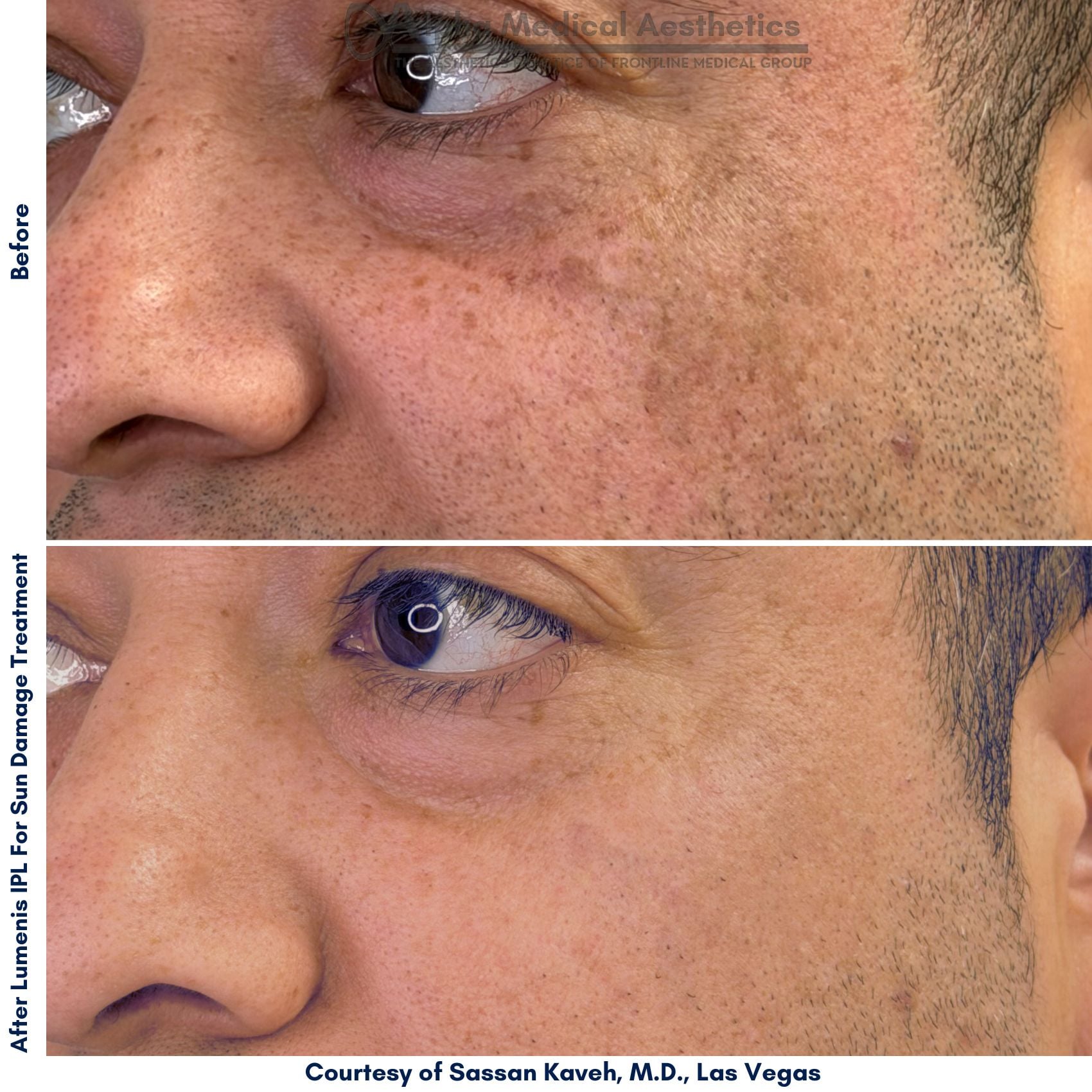
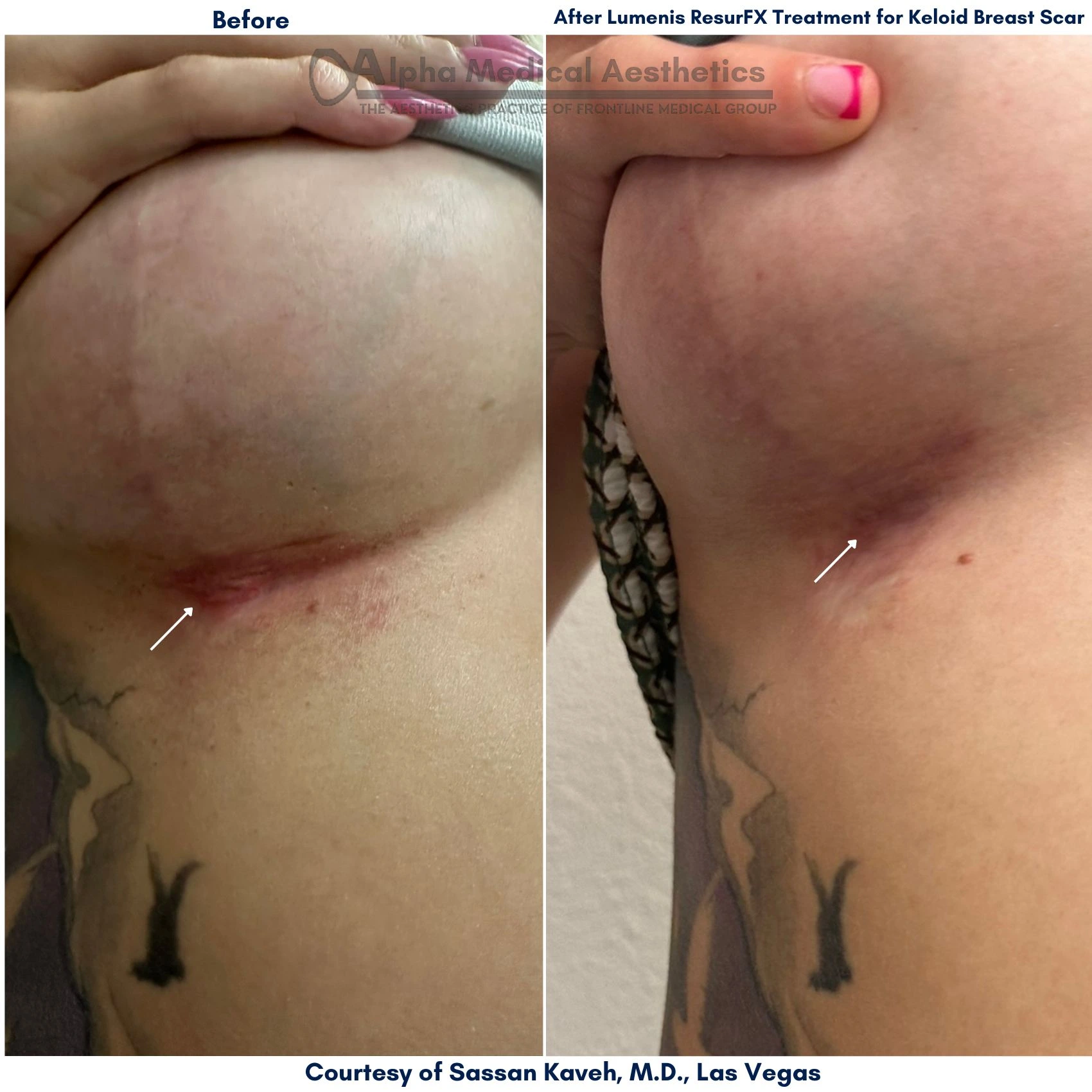
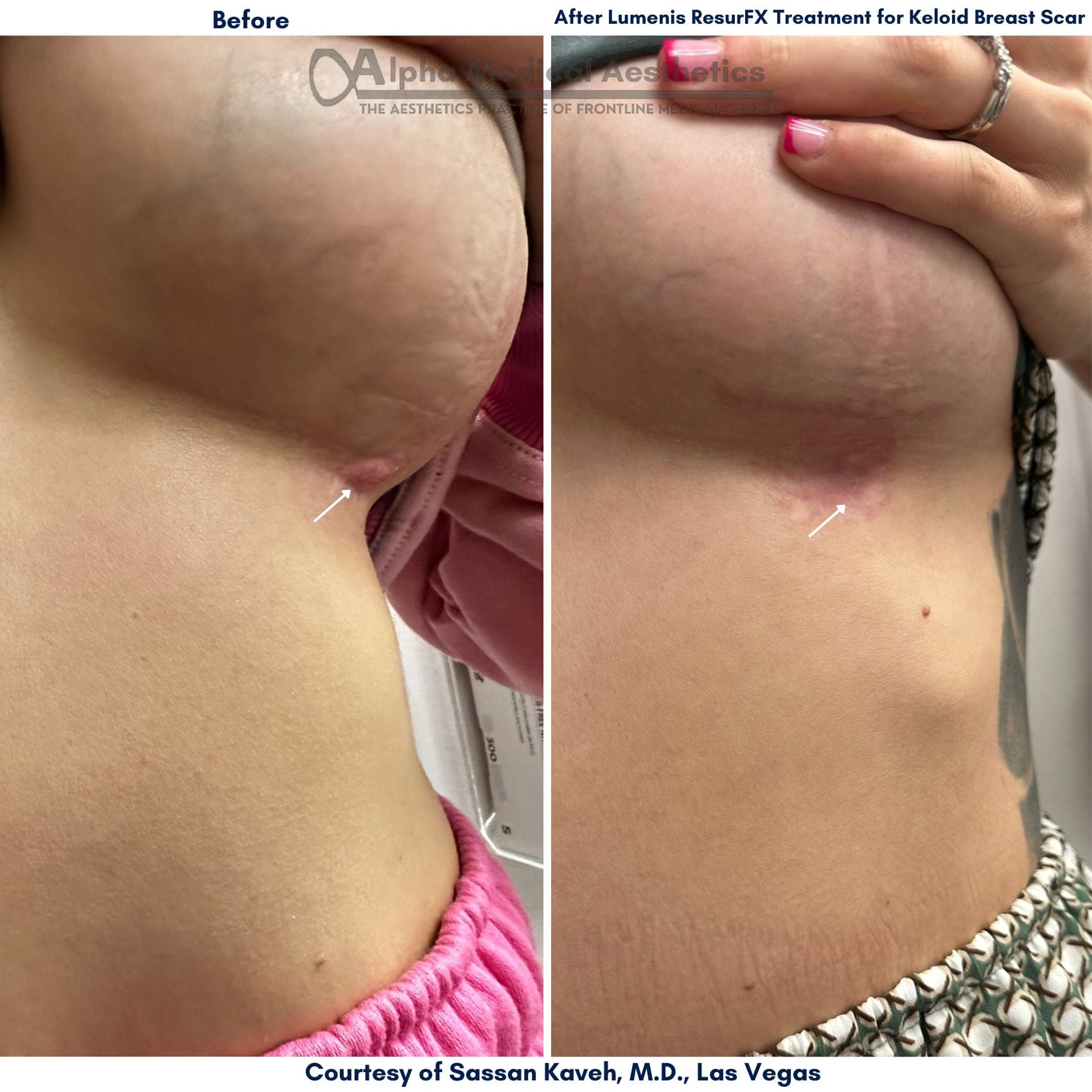
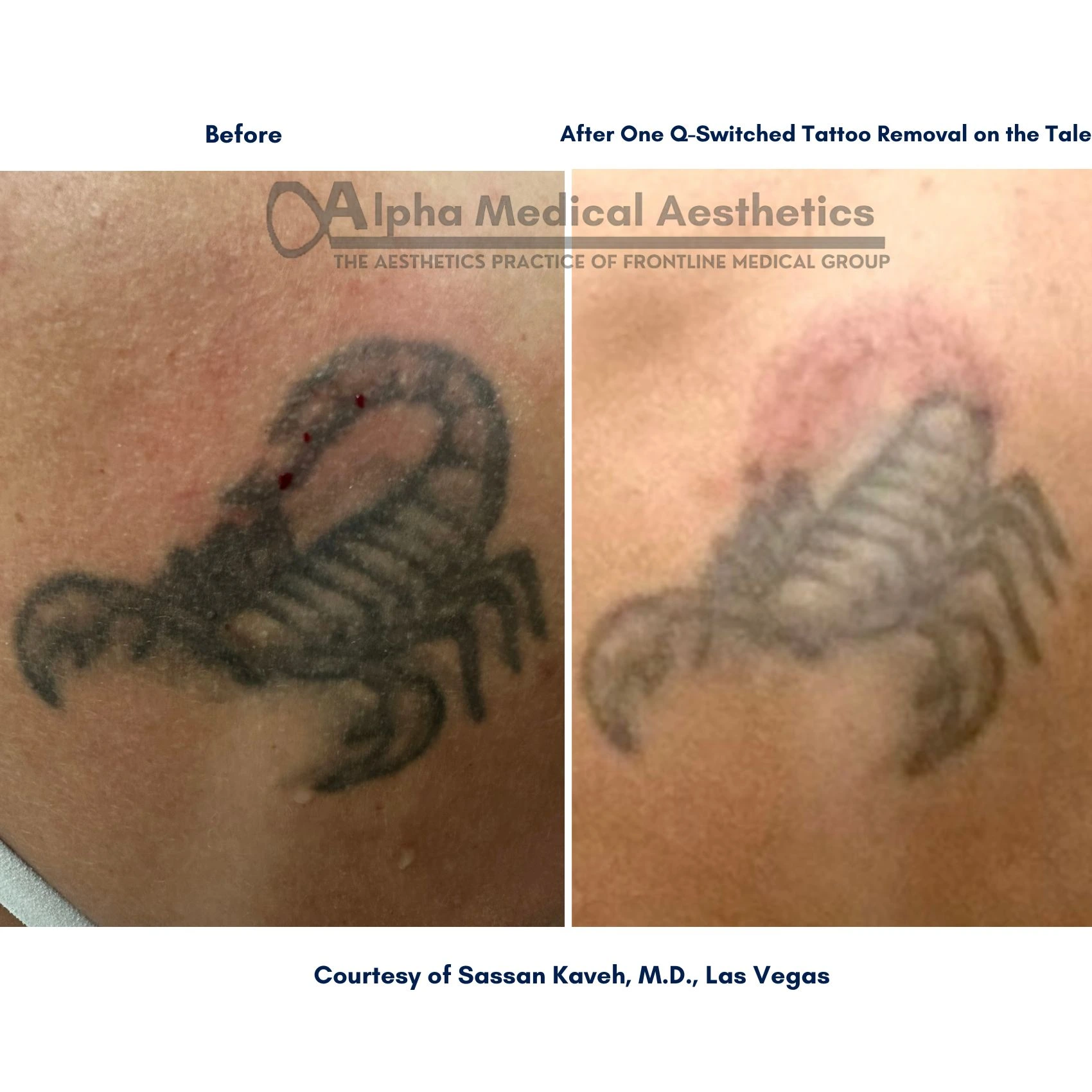
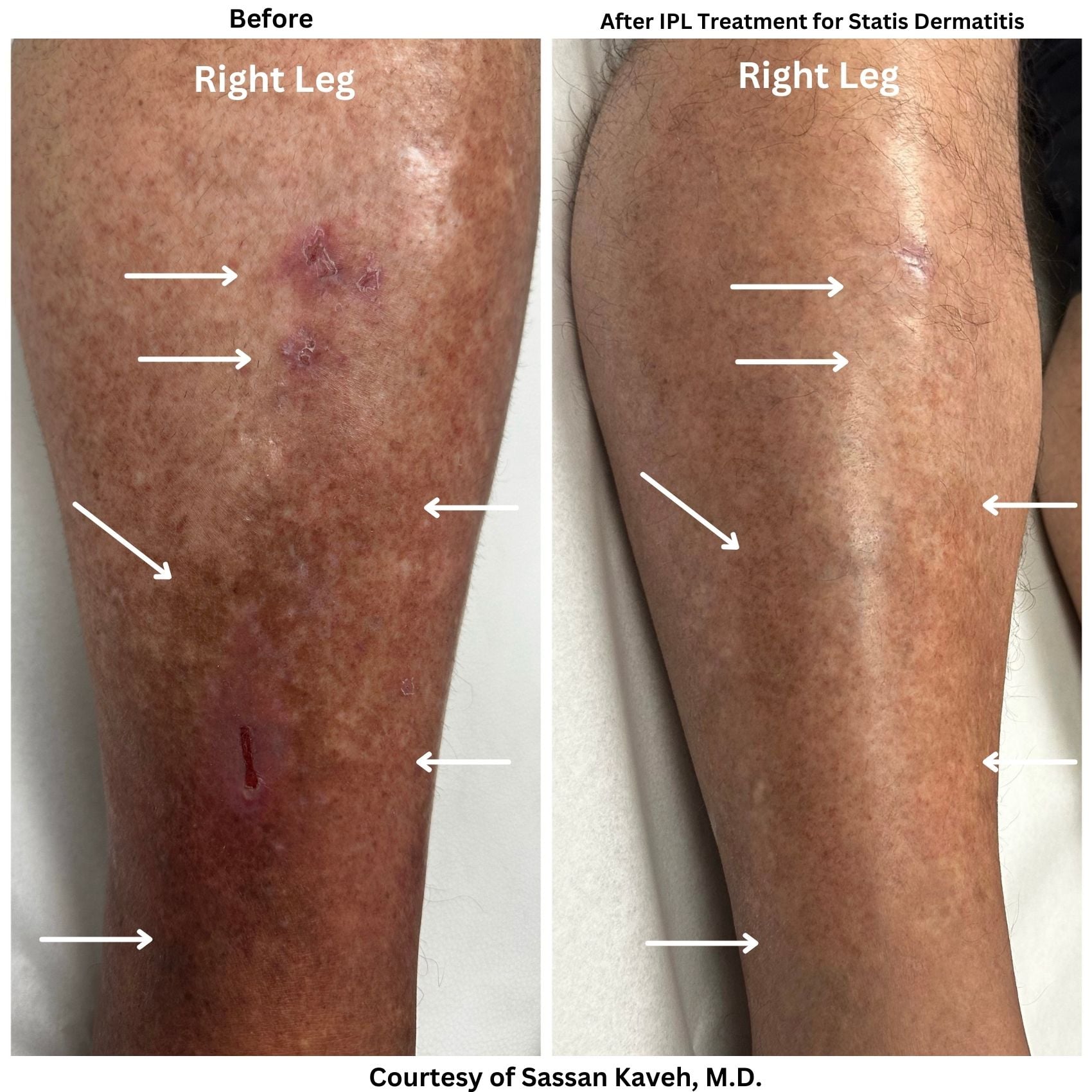
Explore our Before and After gallery at Alpha Medical Aesthetics. See real transformations and the remarkable results achieved with our advanced treatments in Las Vegas.







Testimonials
What Clients Are Saying About Us


Pre-Care Recommendations for Fotona Rosacea Treatment
- Avoid sun exposure and tanning beds for at least two weeks before treatment.
- Avoid alcohol for 24 hours prior — it dilates vessels and affects treatment.
- Skip caffeine and spicy food on the day of treatment.
- Stop retinoids and exfoliating acids for five days.
- Arrive with clean, makeup-free skin.
- Bring a list of your known triggers and all current medications, topical and oral.
Post-Care Recommendations for Fotona Rosacea Treatment
- Apply broad-spectrum sunscreen every day — sun is one of the most reliable rosacea triggers.
- Use gentle, fragrance-free cleansers and a bland moisturizer.
- Avoid alcohol, spicy food, saunas, steam and hot showers for 48 hours.
- Avoid strenuous exercise for 24 hours.
- Hold off on retinoids and acids for five days.
- Apply a cool compress if the area feels warm.
- Treated vessels may darken before clearing — this is expected. Don’t be alarmed.
- Continue managing your triggers. Laser treats what’s visible now; trigger management prevents what comes next.
- Complete the series and keep your maintenance schedule.

Fotona Rosacea Laser Treatment Cost in Las Vegas
Fotona laser rosacea treatments at Alpha Medical Aesthetics typically cost $250 to $600 per session, depending on how severe the flare-up is.
Rosacea needs a series of sessions to fully collapse the targeted blood vessels and calm persistent redness. For that reason, most patients choose a bundled multi-session package, which lowers the cost per session. Dr. Kaveh will recommend how many sessions you need and give you exact pricing at your consultation.
Contact us today to schedule a consultation and receive a personalized quote.
Related Treatments at Alpha Medical Aesthetics
Rosacea treatment is part of our full range of facial rejuvenation treatments in Las Vegas. For diffuse background flushing rather than discrete vessels, IPL may be the better first step, and Dr. Kaveh will tell you which suits your subtype. We also treat related vascular lesions with the same wavelength.
Because papulopustular rosacea is frequently mistaken for adult acne, it is worth reading our acne treatment page if inflammatory bumps are your main concern. And if dry, gritty or irritated eyes are part of your picture, ask about OptiLight — ocular rosacea frequently accompanies the facial form, and we treat both.
Ready to Stop Covering Your Rosacea Up?
Rosacea responds far better when the right subtype gets the right treatment. Dr. Kaveh will tell you which one you have and what’s realistic.
Schedule your consultation today and take the first step toward revitalizing your appearance!
