Speak with our aesthetics team · Same-day appointments available
When to Get IPL and When to Avoid It: Important Safety Considerations

Intense Pulsed Light (IPL) is one of the most versatile technologies in aesthetic medicine. Patients often come to my office with questions about IPL because they’ve heard it can help with pigmentation, redness, acne scars, and overall skin tone. And it can, when used properly.
But like any medical procedure, there are situations when IPL is not safe, not recommended, or simply not the best option. My philosophy is always to provide informative, compassionate guidance so patients understand both the benefits and the risks before moving forward. If you would like more information on if IPL is the right fit for you, the best option is to book a consultation, and do some more reading on our other IPL blogs.
In this article, I’ll address some of the most common concerns patients raise, including whether IPL is safe during pregnancy, the downsides of treatment, what not to do before and during IPL, and whether IPL is effective for pubic hair removal.
Is IPL Safe in Pregnancy?
This is one of the most frequent questions I receive. The answer is simple: no, IPL is not considered safe during pregnancy.
While Intense Pulsed Light (IPL) is considered safe for most patients under normal circumstances, pregnancy changes how the skin reacts to light and heat. These changes can increase the risk of unwanted side effects. Here are the main IPL during pregnancy risks to be aware of:
- Lack of research: Ethical standards prevent researchers from testing IPL on pregnant women, so we simply don’t have data proving it’s safe.
- Hormonal skin changes: Pregnancy hormones make skin more sensitive and prone to pigmentation. Performing IPL during this time carries an increased risk of burns or hyperpigmentation.
- Increased Skin Sensitivity: Pregnancy hormones such as estrogen and progesterone make the skin more reactive. Even low IPL settings can cause burning, stinging, or prolonged redness that normally wouldn’t occur.
- Higher Risk of Hyperpigmentation (Melasma): Pregnant women are more prone to pigmentation changes. The hormonal surge can trigger melasma (also called “mask of pregnancy”), and light-based treatments like IPL may worsen these dark patches instead of improving them.
- Potential for Overheating: IPL devices generate heat beneath the skin. During pregnancy, it’s best to avoid unnecessary heat exposure to prevent discomfort, overheating, or faintness, especially in sensitive or vascular areas.
- Medical caution: In medicine, if we cannot guarantee safety, the best approach is to avoid treatment until after delivery.
My advice: If you’re pregnant, it’s best to postpone IPL treatments. Instead, we can create a skin care plan using safe, topical options to keep your skin healthy until you’re ready for light-based therapies after pregnancy.
What Are the Downsides of IPL Treatment?
While IPL is generally safe in the right hands, there are risks patients should be aware of:
- Burns: Improper use of IPL can overheat the skin, causing burns.
- Hyperpigmentation or Hypopigmentation: In some patients, especially those with darker skin tones, IPL can lead to uneven pigmentation if settings are too aggressive.
- Temporary redness, heat, or swelling: This is common and usually resolves within hours to days.
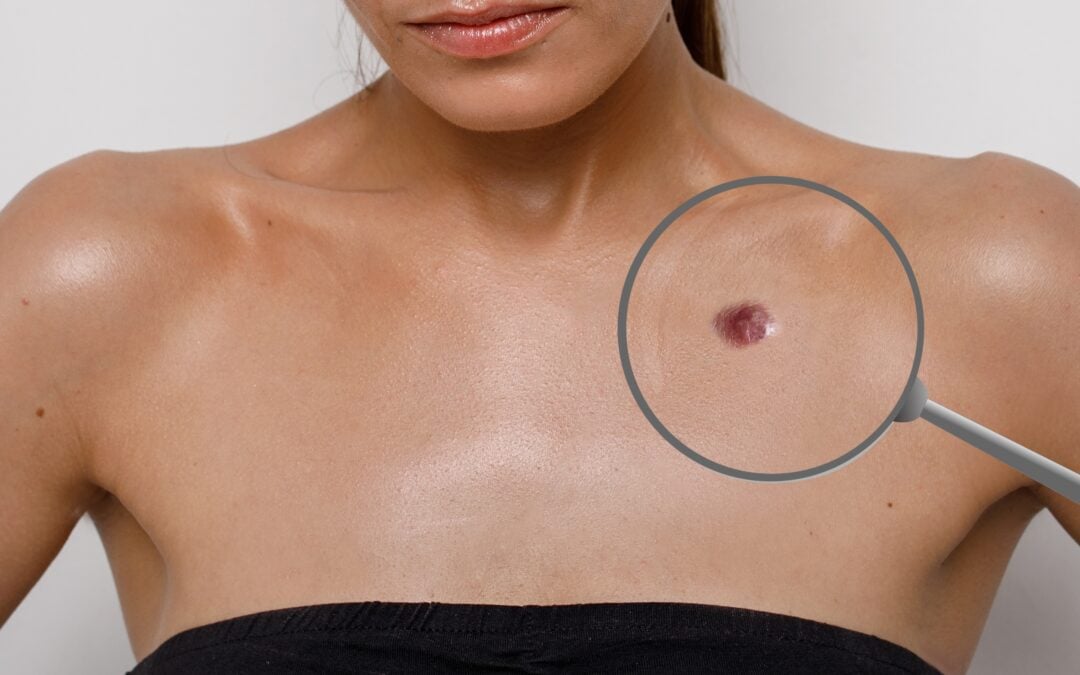
This is why proper diagnosis and a careful consultation are essential. Not every skin type is suitable for IPL, and not every condition responds well. For example, suspicious moles, pre-cancerous lesions, or skin cancer should never be treated with IPL, they require evaluation by a dermatologist.
The key to minimizing risk is to be treated in a safe environment, by an experienced provider who knows how to tailor the device to your skin type.
What Are the Don’ts of IPL?
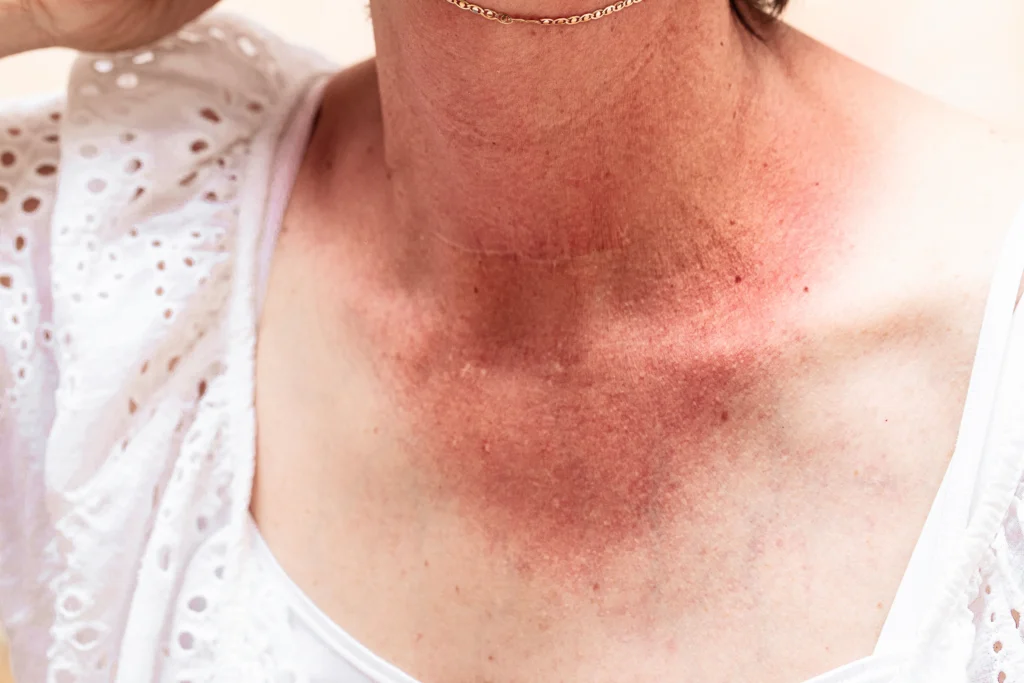
I often explain to patients that while IPL is effective, it must be performed with precision. Here are some of the most important “don’ts” for IPL safety:
- Don’t start with aggressive settings. We always begin with gentle, conservative settings and increase intensity gradually over time. Starting too strong is a big no-no and increases the risk of burns or pigmentation issues.
- Don’t treat tanned skin. Recent sun exposure makes the skin more sensitive and more likely to absorb light unevenly.
- Don’t combine with contraindicated treatments. Certain medications or recent procedures, like chemical peels or aggressive microneedling, may require waiting before doing IPL.
- Don’t overlook numbing cream safety. For patient comfort, we often use a topical numbing cream made of lidocaine, tetracaine, and prilocaine. If you have a known allergy to any of these ingredients, it’s very important to let us know. If it’s your first time using this type of cream, we can always do a small test patch on the inner wrist before proceeding to ensure it’s safe for you.
- Don’t expect one treatment to solve everything. IPL works best as part of a series, often in combination with other therapies like Radio Frequency Microneedling or ResurFX for texture and collagen.
By following these rules, we keep treatments safe and outcomes predictable.
Does IPL Work on Pubic Hair?
Another common question patients ask is whether IPL works for pubic hair removal. The short answer: IPL is not the best choice.
While IPL can reduce hair, it is less precise and less effective than true laser technology. For pubic and bikini areas, I recommend our Splendor X laser instead.
Why Splendor X?
- Dual-wavelength technology (Nd:YAG + Alexandrite): Works safely and effectively across all skin types.
- Square-shaped beam: Provides uniform coverage with fewer missed spots.
- Advanced cooling system: Ensures comfort, even in sensitive areas.
- Fewer sessions, better results: Compared to IPL, Splendor X delivers faster, longer-lasting hair reduction.
If your main concern is hair removal, especially in sensitive areas like the bikini line, understanding IPL vs laser hair removal for the bikini area is key. While IPL can reduce hair, it’s less targeted and less powerful than true laser systems. Splendor X laser hair removal remains the gold standard for achieving smoother, longer-lasting results with fewer sessions and greater comfort. IPL, on the other hand, is best reserved for treating skin concerns such as pigmentation, redness, or acne-related conditions.
When to Avoid IPL Altogether
There are specific circumstances where IPL is not advised, including:
- Pregnancy (as mentioned above).
- Certain medications (like isotretinoin/Accutane, or photosensitizing drugs).
- Active skin infections or open wounds.
- Suspicious moles, scars, or skin cancer.
- Untreated underlying conditions.
In these cases, we always explore safer alternatives until IPL becomes an option.
Alternatives to IPL
When IPL is not appropriate, patients often ask what their options are. Depending on the condition, I may recommend:
- ResurFX fractional laser: For texture, scars, and collagen stimulation.
- Splendor X: For hair removal or vascular concerns.
- RF Microneedling: For acne scars, reduction of hyperpigmentation or general skin rejuvenation.
- Skin care regimens: For maintenance and prevention. We use SkinBetter.
Every recommendation begins with a careful diagnosis and a personalized plan.
My Clinical Experience
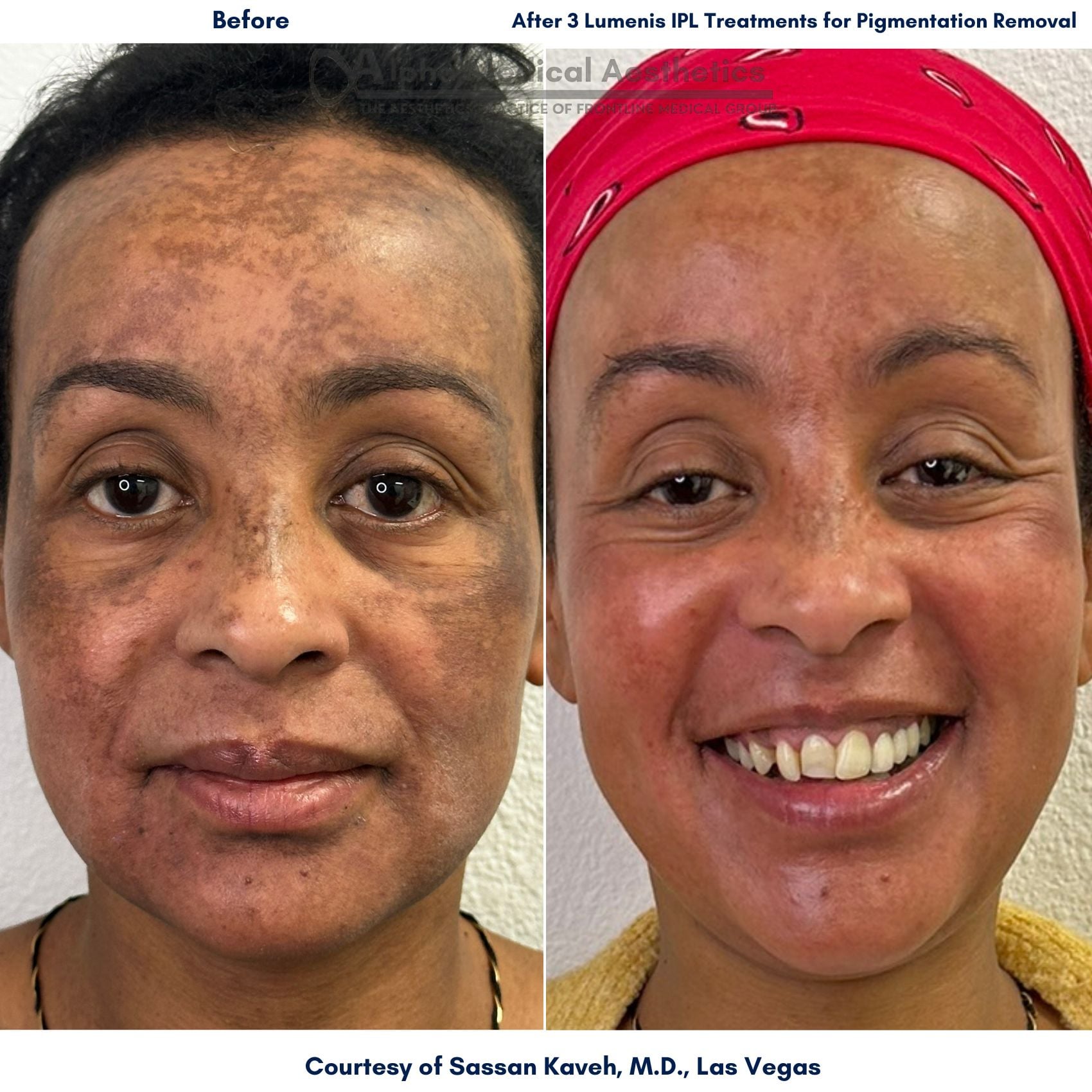
In my years of performing Intense Pulsed Light (IPL) treatments at Alpha Medical Aesthetics in Las Vegas, I’ve learned that no two patients’ skin profiles are the same. I always begin with a thorough skin analysis, medical history review, and test spot to determine the safest parameters for each individual. By customizing wavelength, pulse duration, and cooling settings, I ensure every IPL session delivers visible results while protecting the skin’s natural integrity.
Frequently Asked Questions on IPL Safety
Q1: Is IPL safe during pregnancy?
No, IPL is not recommended during pregnancy due to hormonal skin changes and lack of safety data.
Q2: Can IPL cause burns or pigmentation?
Yes, if performed incorrectly or on recently tanned skin, IPL can cause temporary burns or uneven pigmentation.
Q3: What should I avoid before IPL treatment?
Avoid sun exposure, tanning, and certain medications. Always disclose allergies to numbing creams.
Q4: Is IPL effective for pubic hair removal?
No, IPL is less effective in this area. Splendor X laser provides superior results for bikini and pubic zones.
Q5: Who should avoid IPL treatments altogether?
Pregnant patients, those on photosensitizing medications, or those with infections, open wounds, or suspicious lesions should avoid IPL.
Ready to Find Out if IPL Is Right for You?

If you’re unsure whether IPL is the right choice for your skin or hair concerns, the best next step is a personalized consultation. At Alpha Medical Aesthetics in Las Vegas, Dr. Sassan Kaveh will evaluate your skin type, discuss your goals, and recommend the safest and most effective treatment options, whether that’s IPL, Splendor X laser hair removal, ResurFX, or another advanced solution.
Book your consultation in Las Vegas online today or call us at 702-683-2156 to get scheduled and discover how expert, physician-led care can help you achieve clear, radiant, and confident skin, safely and beautifully.
If you’d like to learn more about how IPL fits into today’s aesthetic technology landscape, be sure to explore our related blogs. In “3 Irresistible Reasons Why You Should Choose Our Skin Doctor for IPL Pigmentation Removal”, Dr. Sassan Kaveh explains what makes physician-led IPL treatments safer and more effective. You can also read “The World’s Most Popular Aesthetic Devices” to see how IPL compares to other leading technologies like ResurFX and Splendor X. Together, these insights help you understand when IPL is the right choice and when other options may deliver better, longer-lasting results.