Speak with our aesthetics team · Same-day appointments available
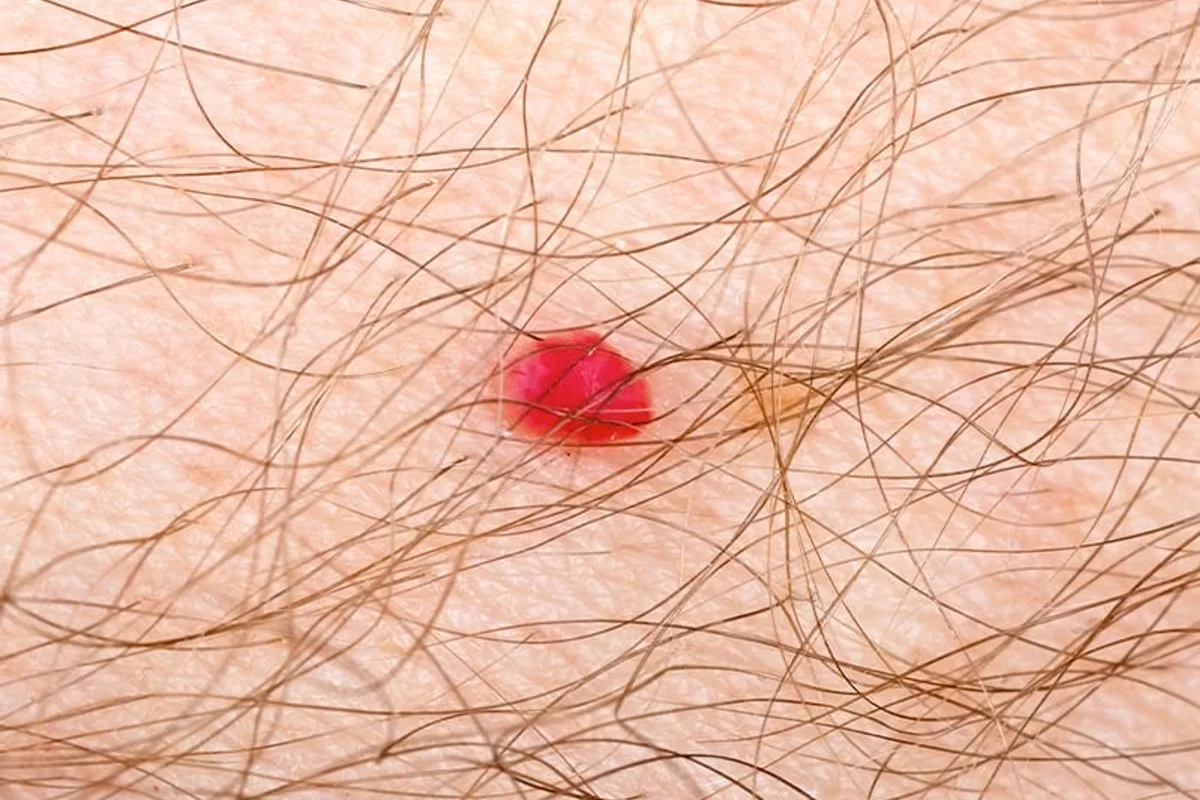
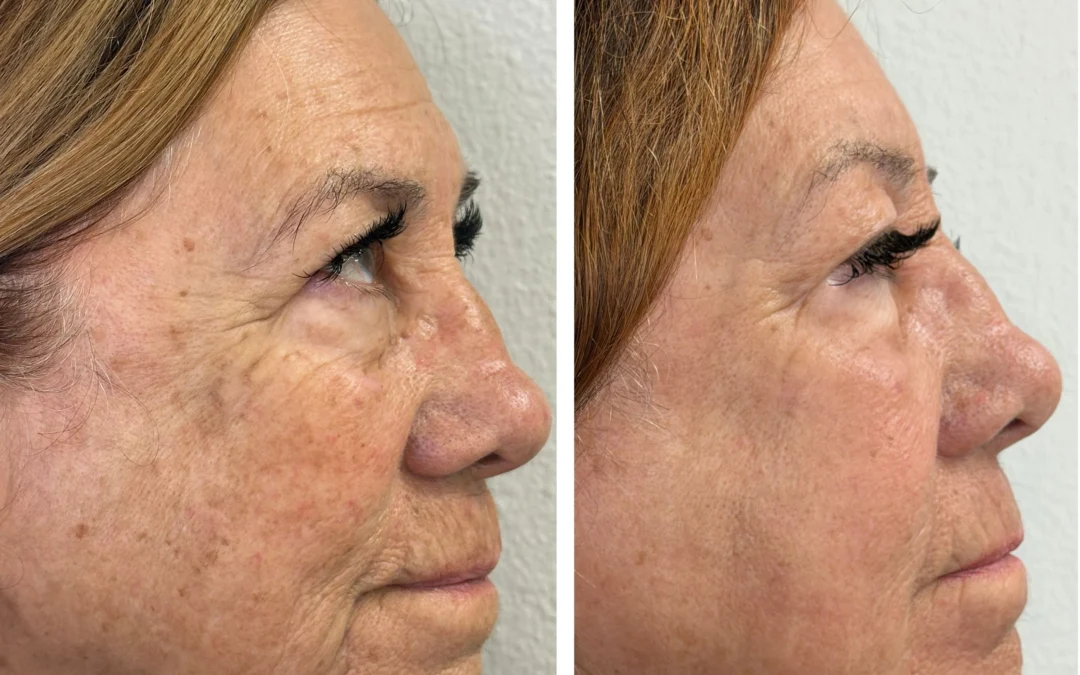
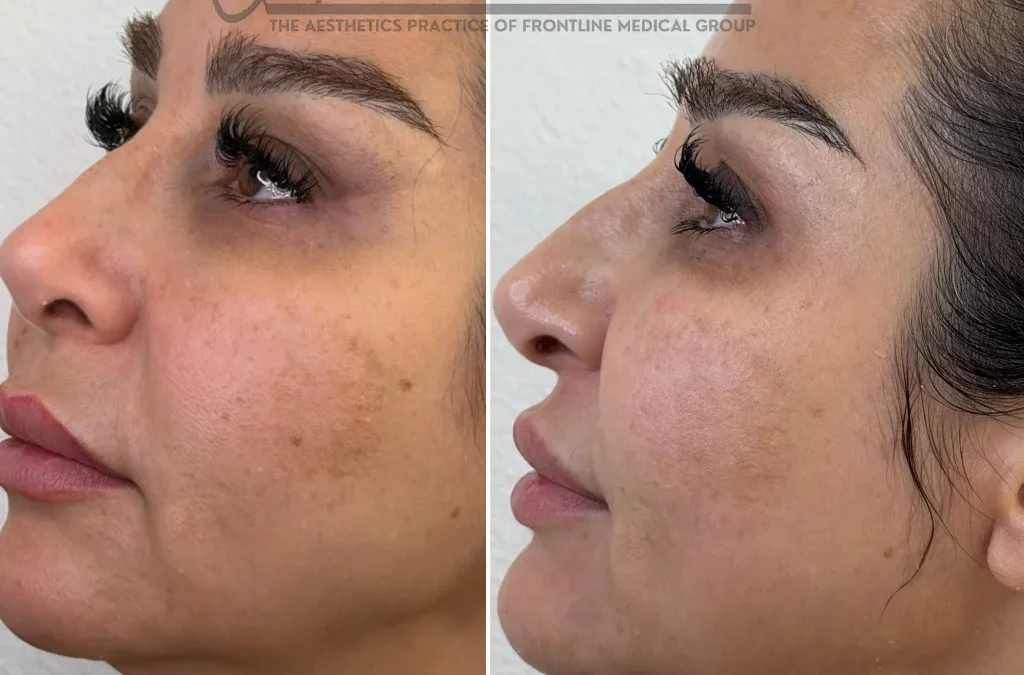
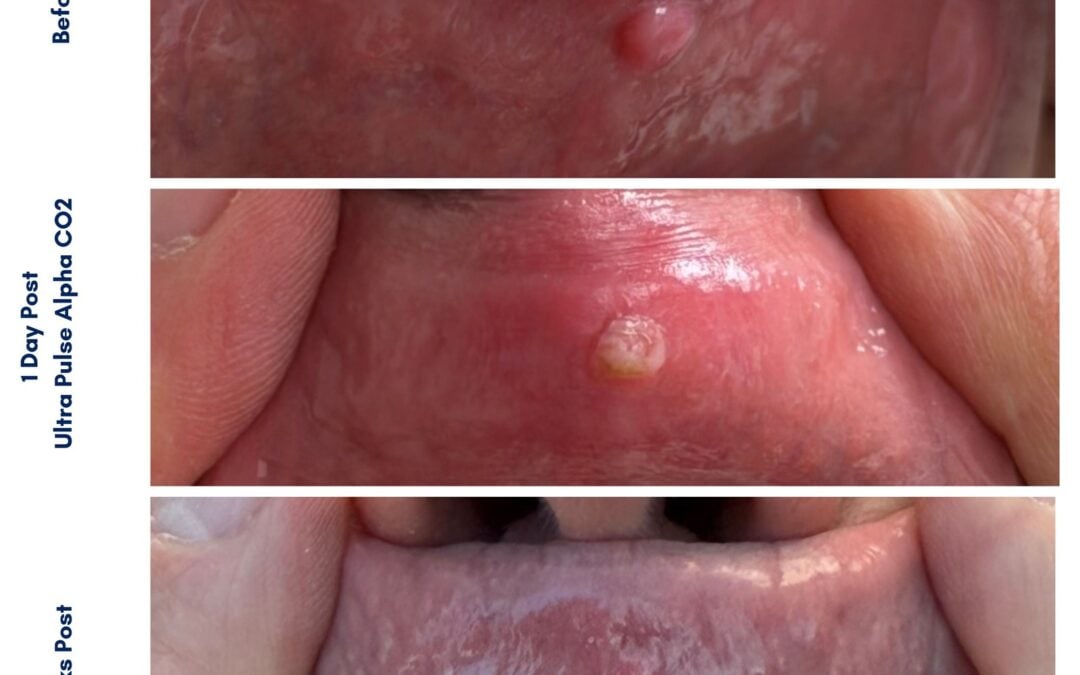
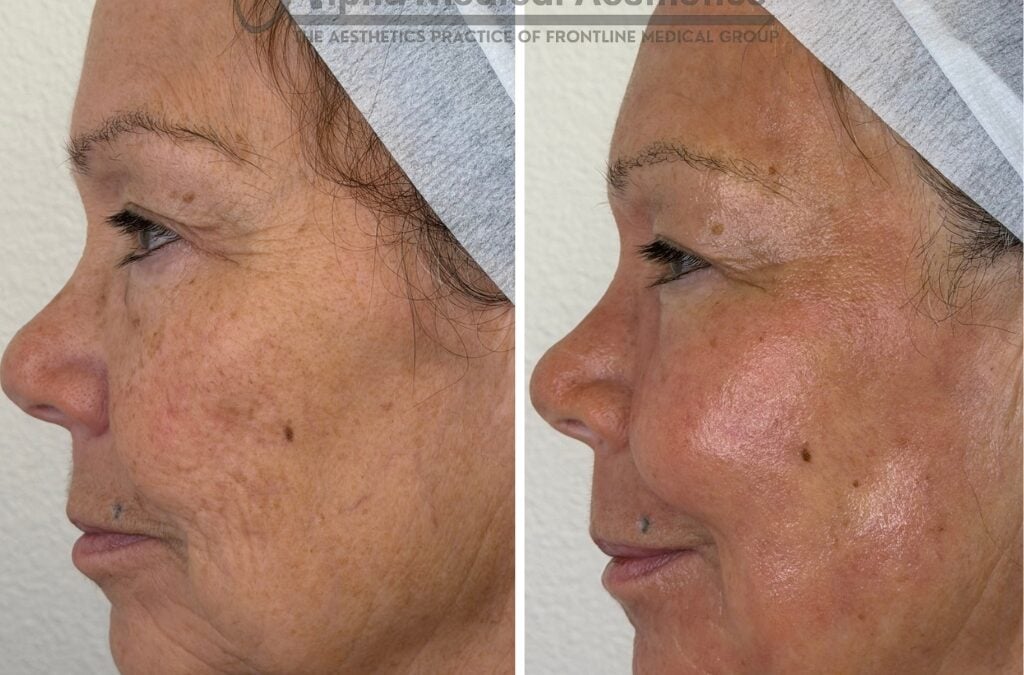
Superfrecator treatment in Las Vegas removes skin tags, sun spots, cherry angiomas, and benign skin lesions in a single in-office session — using a precise electrical arc that targets unwanted tissue at a cellular level while preserving the surrounding healthy skin.
If you’ve ever looked at a skin tag, sun spot, or small raised spot and thought, “Why is this still here?” you’re not alone. At Alpha Medical Aesthetics, we hear this from patients throughout Las Vegas continuously. The good news is that many of these imperfections can be removed quickly, precisely, and often in a single visit using the Superfrecator 3rd Generation.
This non-invasive technology allows me to treat a wide range of benign skin lesions with excellent cosmetic outcomes and minimal disruption to your daily life. Below I’ll walk you through exactly how Superfrecator treatment works, what it can treat, what to expect, and why it has become one of the most popular non-surgical lesion-removal options at our Las Vegas practice.
What Is Superfrecator Treatment?
The Superfrecator treatment is a high-frequency procedure that uses a micro-fine probe to deliver controlled electrical energy to the skin. This technique is called electrosurgery. Unlike traditional methods like cryotherapy that require direct contact and carry risks of pigmentation disorders, this technology creates a precise electrical arc (or spark) just above the skin’s surface. That allows me to target the water in unwanted tissue with extreme accuracy while preserving the surrounding healthy skin.
Clinically, the Superfrecator treatment:
- Breaks down the lesion at a cellular level
- Desiccates (dries out) unwanted tissue
- Initiates a controlled healing response with minimal scarring risk
- Avoids the freeze-burn pigmentation changes common with cryotherapy
Because of this precision, Superfrecator stands among the most effective treatments for skin tag removal, sun spot removal, cherry angiomas, and benign lesion removal in Las Vegas. The American Academy of Dermatology confirms that targeted electrosurgical removal is among the safest in-office options for benign skin tags, particularly compared with home-removal kits that frequently cause infection or scarring.
What Skin Concerns Can Be Treated?

Superfrecator is highly versatile and ideal for treating common, non-cancerous skin concerns that affect both appearance and comfort.
- Skin tags (acrochordons)
- Sun spots (solar lentigines)
- Age spots and surface hyperpigmentation
- Cherry angiomas (small red vascular spots)
- Benign red or brown nodules (moles, only after evaluation)
- Xanthelasma (small fatty deposits around the eyes)
- Sebaceous hyperplasia (small yellow papules)
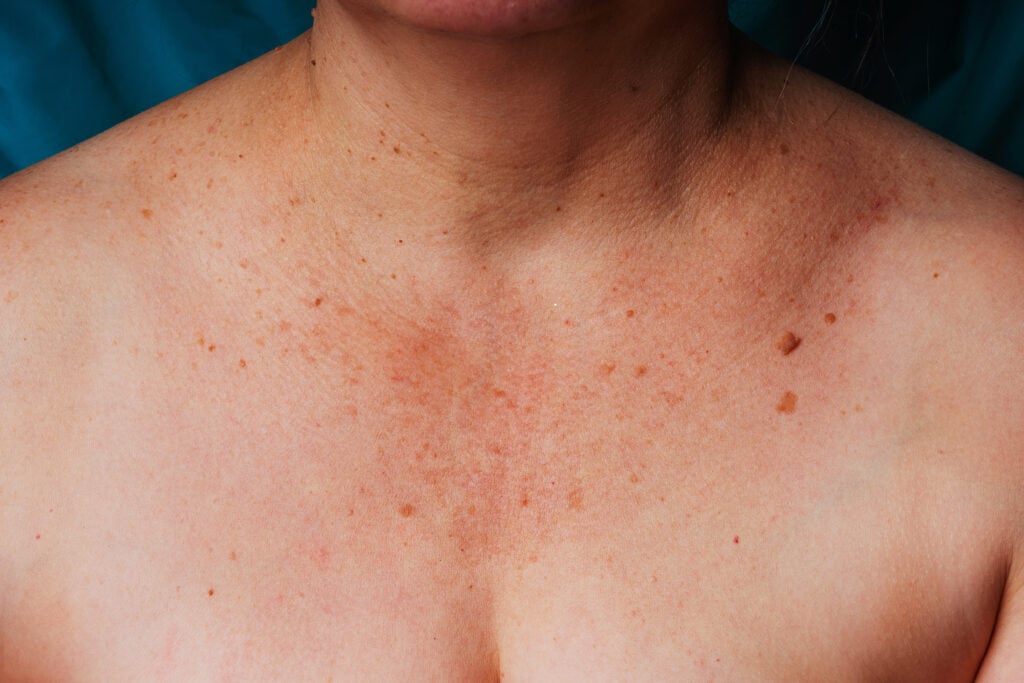
In Las Vegas, where year-round sun exposure is constant, pigmentation and lesion-related concerns are especially common. Many patients who come in for sun damage treatment discover during their evaluation that they also have skin tags, cherry angiomas, or sebaceous hyperplasia that have built up over the years. The Superfrecator treatment offers a fast, precise, and often one-session solution for these specific lesions — and it pairs naturally with broader resurfacing or IPL pigmentation treatment for the diffuse pigmentation that needs a laser-based approach instead.
Superfrecator vs. Cryotherapy vs. Laser Treatments
Patients often ask how the Superfrecator treatment compares with the other options they have heard about — cryotherapy (liquid nitrogen freezing), IPL, and CO2 laser resurfacing. Each has its place, but they are NOT interchangeable.
| Treatment | Best For | Sessions Needed | Pigmentation Risk | Downtime |
|---|---|---|---|---|
| Superfrecator | Individual lesions: skin tags, cherry angiomas, sebaceous hyperplasia, isolated sun spots | 1 (occasionally 2) | Low (no freeze burn) | Scab 4–14 days; minimal |
| Cryotherapy (liquid N₂) | Skin tags, warts | 1–3 | Higher in skin of color | Blister + scab; ~2 weeks |
| IPL | Diffuse pigmentation, redness, broken capillaries across a wider area | 3–5 over months | Low with correct settings | Minimal redness 1–2 days |
| CO₂ Laser | Wrinkles, texture, deep resurfacing — not single lesions | 1 per area | Moderate (managed by Dr.) | ~7+ days social downtime |
The Superfrecator treatment stands out when it comes to precisely targeting individual lesions, immediate removal of raised imperfections with simple aftercare, and minimal effect on surrounding skin. For isolated skin concerns, it is often the most efficient solution — but I never recommend it as a substitute for the broader, area-wide resurfacing that IPL or CO2 laser treatment provides.
In my 25+ years of medical practice in Las Vegas, the Superfrecator treatment has consistently been one of the cleanest, most predictable in-office removal tools I have. It gives me precision down to a tenth of a millimeter, lets me treat lesions that lasers can’t safely target, and most patients walk out the door looking better than when they came in — same day.
Dr. Sassan Kaveh
What to Expect During Treatment

This is a quick, in-office procedure that typically takes just minutes depending on how many lesions are being treated. Most patients are in and out within 30 minutes including check-in.
Sensations during treatment
- A warm or heat sensation as energy is delivered
- A quick “zap” feeling on the surface of the lesion
- No general anesthesia required — most patients tolerate it without topical numbing
Immediately after
- Mild redness around the treated area
- Slight localized swelling
- A small scab forming over each lesion within hours
These effects are temporary and part of the body’s natural healing response. For larger or multiple lesions, we may stagger the work across two short visits to keep healing manageable.
Healing Process and Aftercare

Healing is straightforward, but following the aftercare instructions carefully is essential for the best cosmetic outcome. After treatment, a small scab will form over each treated area. This scab is a critical part of the healing process — it acts as a natural protective barrier while the new skin underneath regenerates.
- Scabs typically last 4 to 14 days, depending on lesion size and your skin’s healing speed
- Smaller lesions heal faster; larger or deeper ones take longer
- The scab falls off naturally once healing is complete — do not pick it off
Do not pick the scab. If the scab is removed prematurely, the healing process can restart, results may be delayed, and the risk of post-inflammatory hyperpigmentation increases significantly — especially in Las Vegas, where ambient UV exposure is high.
Patients should also:
- Avoid applying products directly on the scab unless I specifically instruct otherwise
- Keep the area clean, dry, and exposed to air whenever possible
- Wash gently with mild cleanser; pat dry, do not rub
Once the scab falls off, daily broad-spectrum sunscreen is essential to protect the new skin and prevent post-inflammatory hyperpigmentation. Cleveland Clinic specifically recommends sun protection on freshly healed lesion sites for at least 3 months — a window we extend in Las Vegas because of our climate.
How Many Superfrecator Treatments Will I Need?
Many lesions can be successfully treated in one session. However, not all lesions respond the same way.
- Smaller surface lesions (skin tags, cherry angiomas): typically one session
- Larger or deeper lesions: may need a second session 4–6 weeks later
- Multiple sebaceous hyperplasia: often staggered across 2 sessions for cosmetic uniformity
Because outcomes vary by lesion type, size, and your individual skin response, I always recommend a personalized evaluation. We offer free consultations so we can assess your specific concern and determine the most effective treatment plan — Superfrecator alone, or combined with another modality.
Contraindications: Who Should Not Have Superfrecator Treatment?
While the Superfrecator treatment is safe and effective for most patients, certain situations require either deferral or an alternative approach.
Not suitable for:
- Warts (better treated by other modalities)
- Treatment on the soles of the feet or palms
- Inside the lips or mucosal areas
- Patients with active lupus
- Recent use of Accutane or radiation therapy within the past 6 months
- Chemotherapy within the last 12 months
- Pregnancy
For patients with diabetes, treatment may still be possible, but proper preparation is essential. I typically recommend increasing water intake for 3 days before and after treatment to support optimal healing. As always, every patient is evaluated individually to ensure safety and optimal results.
Is the Superfrecator Treatment Permanent?
In most cases, yes. Once a lesion is properly treated and removed, it typically does not return at the same site. However, new lesions can develop over time due to:
- Continued sun exposure (the dominant factor in Las Vegas)
- Aging-related collagen and elastin changes
- Genetic predisposition
This is why I often recommend ongoing skin maintenance — daily SPF, periodic skin checks, and pairing Superfrecator with broader resurfacing or pigmentation treatments when appropriate.
Frequently Asked Questions About Superfrecator Treatment in Las Vegas
Does Superfrecator Treatment Hurt?
Most patients describe it as a quick warm sensation lasting a fraction of a second per lesion. For sensitive areas (eyelids, neck), I can apply topical numbing.
Can Superfrecator Treat Lesions On The Face?
Yes — most facial benign lesions (skin tags, cherry angiomas, sebaceous hyperplasia, surface sun spots) are excellent candidates. The precision is what makes facial treatment safe.
How Soon Will I See Final Results?
Once the scab falls off (4–14 days), the treated area is visibly clear. Final cosmetic blending continues for 4–8 weeks as the new skin matures.
Can The Superfrecator Remove Moles?
Only after a clinical evaluation. Pigmented lesions that have any features of atypia (changing color, irregular border, asymmetry) must be biopsied first — we never treat a suspicious lesion cosmetically without ruling out melanoma.
Can I Combine Superfrecator With Other Treatments?
Frequently, yes. Superfrecator addresses isolated lesions, while a same-day or follow-up IPL or laser vein removal session addresses diffuse pigmentation, redness, or surface vessels.
Why Alpha Medical Aesthetics Is the Best Choice for Superfrecator Treatment in Las Vegas
If you’ve been frustrated by skin tags, cherry angiomas, sun spots, or other benign lesions that won’t go away with over-the-counter products, the difference between an average outcome and a flawless one usually comes down to who is holding the device. At Alpha Medical Aesthetics in Las Vegas, here’s what sets our Superfrecator treatment apart:
- Superfrecator 3rd Generation device — the latest hardware generation, with finer probes and more precise arc control than older 1st- and 2nd-gen units still in use at many medspas
- Treatment performed personally by Dr. Sassan Kaveh — 25+ years of medical practice, not delegated to a technician
- Pre-treatment evaluation for every lesion — we rule out anything atypical before cosmetic removal, because patient safety always comes before convenience
- Free consultation — we assess your specific lesions, recommend Superfrecator alone or in combination with IPL, CO2, or other modalities, and quote you exactly what the visit will cost
- Las Vegas–specific aftercare protocol — our follow-up SPF and pigmentation-prevention guidance is tuned for the desert climate, where post-inflammatory hyperpigmentation is more common than national averages
Superfrecator is also one of several non-facial skin tools we use as part of our broader non-facial skin treatments program — meaning if your concerns extend beyond what Superfrecator alone can address, you’re already in a practice that has the full toolkit on hand.
Schedule Your Free Superfrecator Consultation in Las Vegas
Your consultation with Dr. Kaveh includes a full evaluation of every lesion you’d like addressed, a recommendation for the most efficient combination of treatments (Superfrecator alone or paired with IPL, CO2, or pigmentation-specific options), and a clear quote — no pressure, no surprise add-ons.
Call 702-683-2156 or schedule online to book your free Superfrecator consultation. Serving Las Vegas, Summerlin, and Henderson.