Speak with our aesthetics team · Same-day appointments available
What if everything you’ve been told about treating melasma in Las Vegas is actually making it worse?
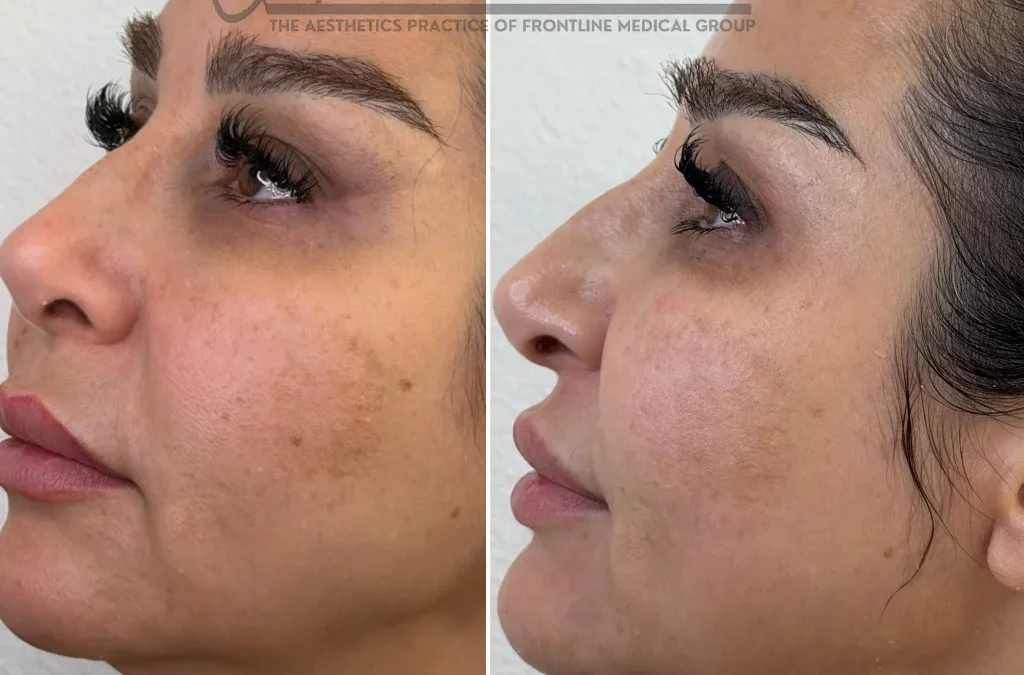
Melasma is a stubborn, hormone-driven pigmentation condition that almost always returns when treated the wrong way. Effective melasma treatment in Las Vegas requires a three-part approach: suppressing new pigment with tyrosinase inhibitors, clearing existing pigment with carefully selected light therapies, and committing to long-term maintenance and sun protection. One-off lasers or spot creams rarely work on their own.
If you’ve been searching for melasma treatment in Las Vegas, you already know the frustration: the brown patches fade for a few weeks, then come right back, often darker than before. Melasma is one of the most misunderstood skin conditions, and the bright Nevada sun, dry heat, and hormonal triggers make it particularly difficult to control here. This guide explains exactly why melasma keeps returning and, more importantly, the evidence-based treatment plan that actually keeps it under control.
Why Does Melasma Keep Coming Back, Even After Treatment?
Most patients come to our Las Vegas clinic after trying multiple products, peels, or lasers somewhere else, and they’re discouraged. The truth is that melasma isn’t a surface stain you can simply “remove.” It’s a chronic condition rooted in how your skin produces pigment. Unless treatment addresses the underlying biology and the triggers, the pigment will return every time.
What Is Melasma? Understanding the Condition Behind the Pigment
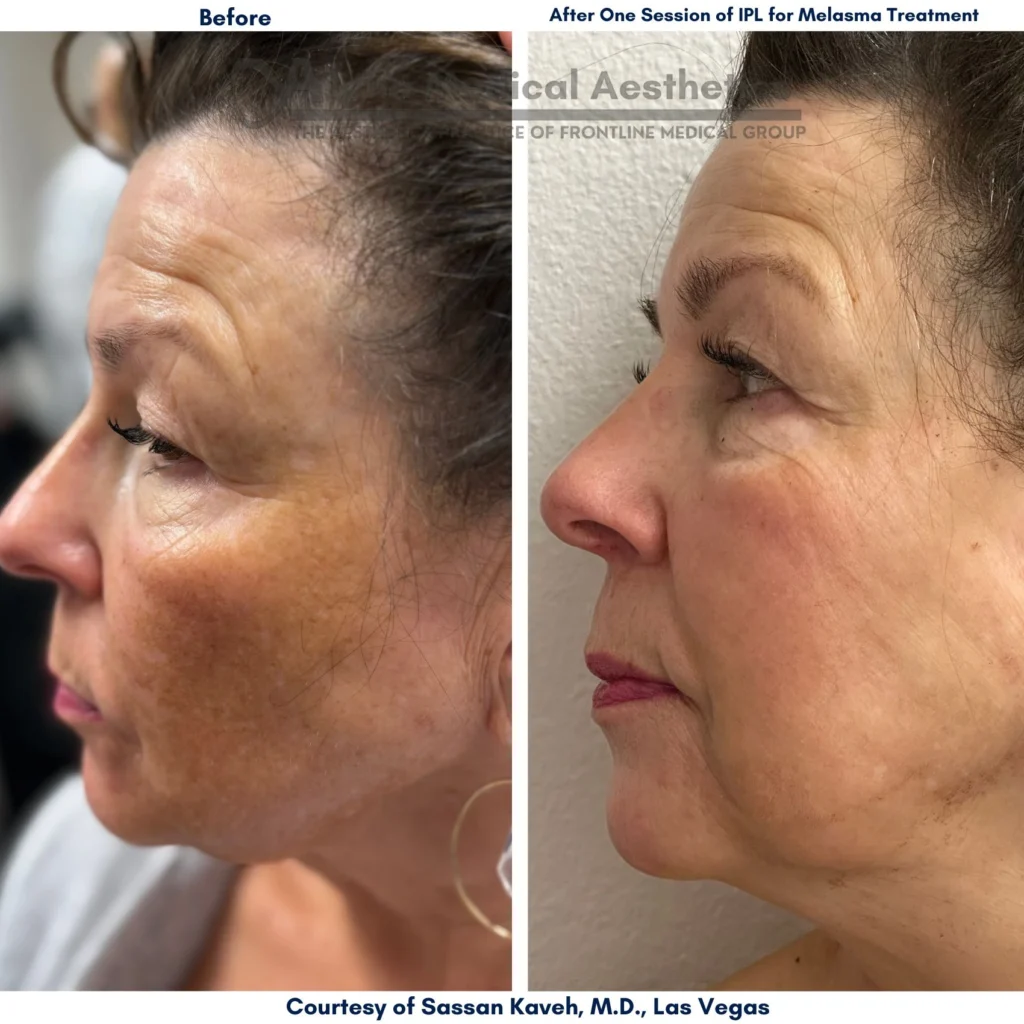
Melasma is a chronic pigmentary disorder that causes symmetrical brown or gray-brown patches, most often on the cheeks, forehead, upper lip, nose, and chin. It occurs when melanocytes, the cells that produce pigment, become overactive and dump excess melanin into the skin. It’s most common in women, especially those with medium to darker skin tones, and it’s strongly linked to hormones, UV exposure, heat, and visible light. Because the root cause lives deep in the skin and is triggered by systemic factors, melasma behaves very differently from sun spots or freckles.
Why Melasma Keeps Coming Back
Relapse isn’t a sign that treatment failed, it’s a sign that melasma is being managed, not cured. Four factors drive almost every recurrence we see.
Hormonal Fluctuations Are the Primary Trigger
Estrogen and progesterone directly stimulate melanocyte activity. That’s why melasma so often appears during pregnancy, while taking birth control pills, during hormone replacement therapy, or around perimenopause. Treating the skin without acknowledging these internal drivers is like mopping a floor with the faucet still running.
Sun Exposure Makes Melasma Worse
Even a few minutes of unprotected UV exposure can reactivate pigment cells. In Las Vegas, where we average more than 290 sunny days a year, this is a major problem. Visible light and infrared radiation, not just UV, can also trigger melasma, which is why a standard sunscreen often isn’t enough.
Heat Is a Major (and Often Ignored) Factor
This is the piece most patients have never heard. Heat alone stimulates melanocytes, independent of UV. Hot yoga, saunas, steamy showers, cooking over a stove, and long drives in a hot car can all trigger a flare. In the Las Vegas summer, ambient heat becomes a year-round challenge for anyone with melasma.
Incomplete or Incorrect Treatments
Aggressive lasers, harsh peels, or high-strength hydroquinone used without a plan can actually worsen melasma by inflaming the skin and rebounding the pigment. Many patients arrive at our office with post-inflammatory hyperpigmentation stacked on top of their original melasma because their previous provider used the wrong device or protocol.
How to Treat Melasma Effectively: A Proven 3-Step Plan
Lasting melasma control comes from a layered protocol, not a single treatment. Here is the approach we use for melasma treatment in Las Vegas patients, tailored to skin type, hormonal status, and lifestyle.
Step 1: Suppress New Pigment With Tyrosinase Inhibitors
Tyrosinase is the enzyme melanocytes use to produce melanin. Blocking it is the foundation of every successful melasma plan. Depending on your skin, we may prescribe or recommend hydroquinone (used in controlled cycles), tranexamic acid (topical or oral), azelaic acid, kojic acid, arbutin, cysteamine, or niacinamide. This step reduces new pigment formation while the next step clears what’s already there.
Step 2: Treat Existing Pigment With Carefully Selected Light Therapies
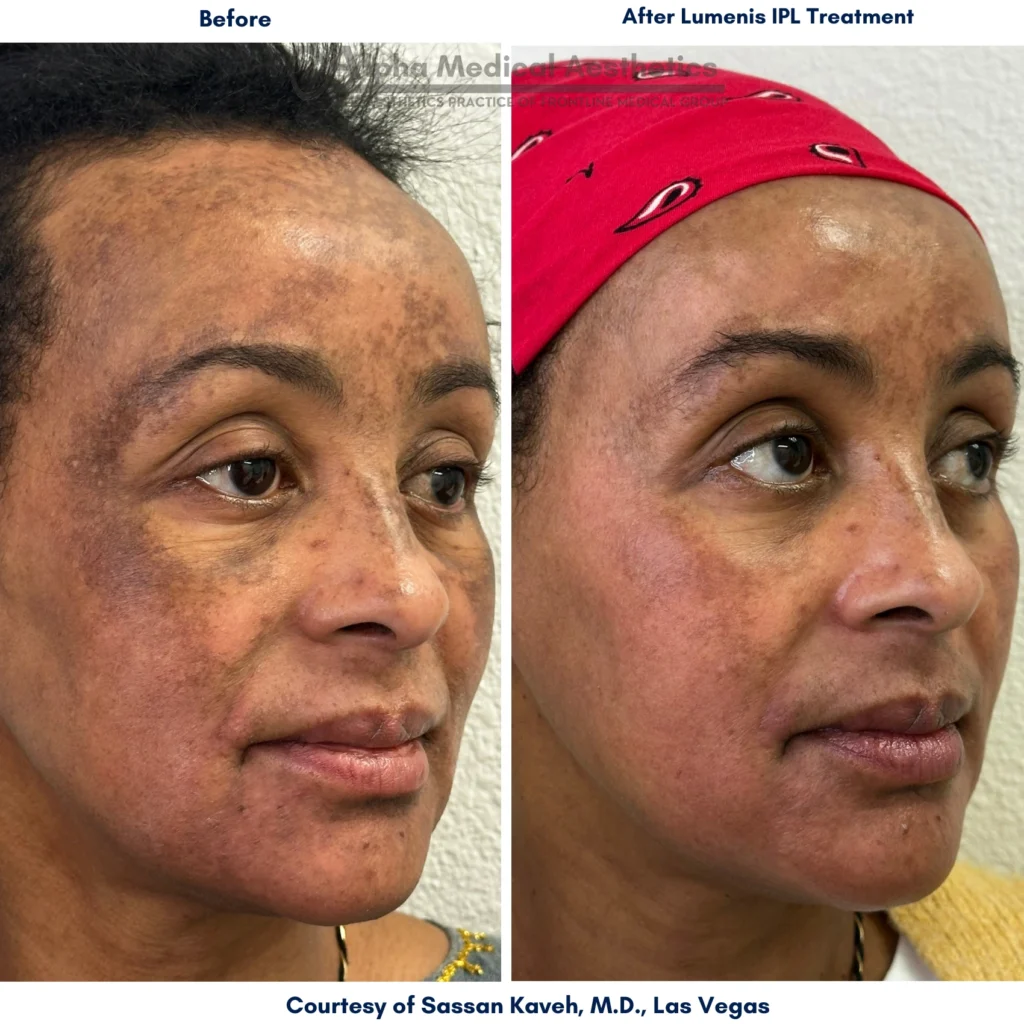
Once pigment production is suppressed, we target the melanin that’s already deposited in the skin. Low-energy IPL, gentle Q-switched laser toning, and specific chemical peels can break up pigment safely when used at conservative settings. The key word is gentle, high-energy devices cause rebound pigmentation in melasma patients.
Why IPL Alone Often Fails for Melasma
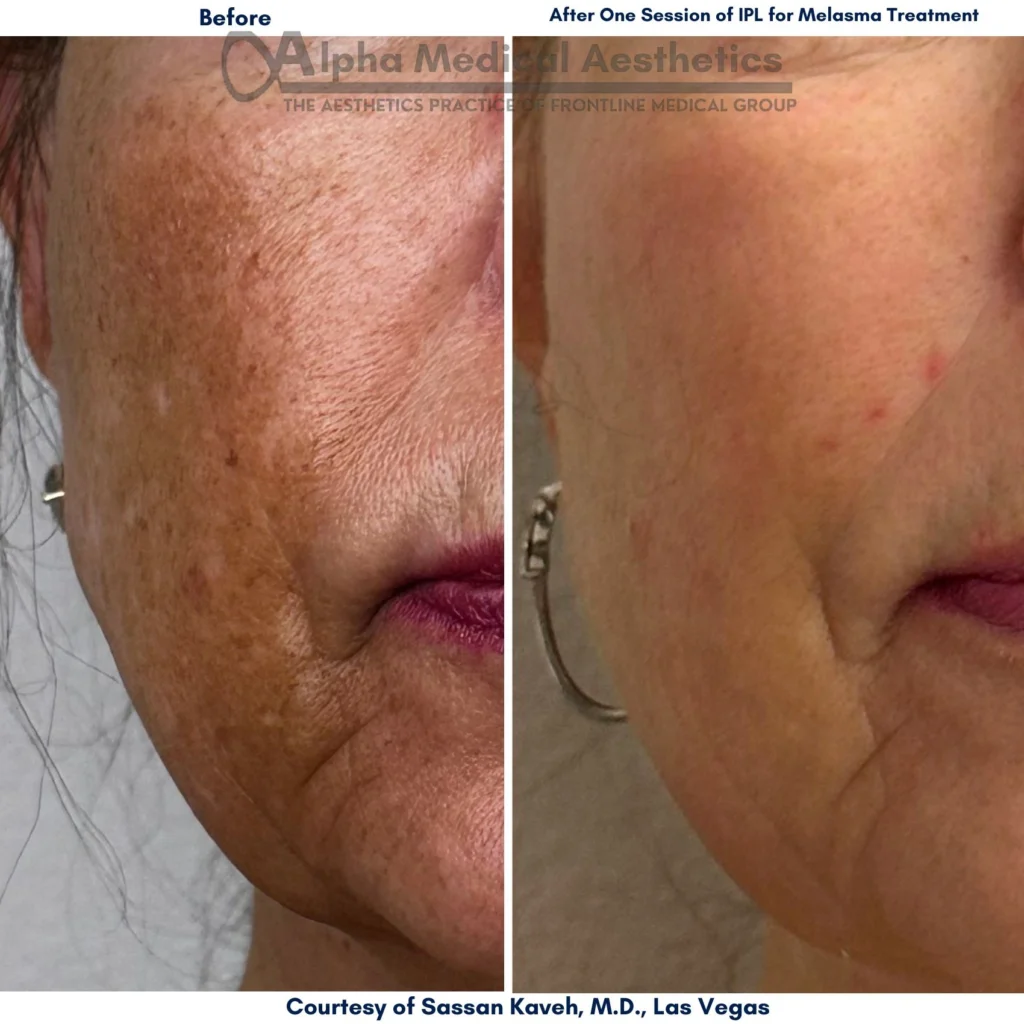
IPL can be highly effective for sun spots and freckles, but as a standalone melasma treatment it frequently disappoints. Without first suppressing the pigment pathway, the heat from IPL can reactivate melanocytes and make pigment darker within weeks. IPL works for melasma only as part of a combined protocol, at adjusted settings, in the right skin type.
Step 3: Maintain Results With Long-Term Control
Melasma maintenance is non-negotiable. This includes daily broad-spectrum SPF 50+ with iron oxides (to block visible light), antioxidants like vitamin C, gentle retinoids, and periodic maintenance treatments every few months. Hormonal conversations with your physician may also be appropriate if birth control or HRT is contributing.
What a Real Melasma Treatment in Las Vegas Plan Looks Like
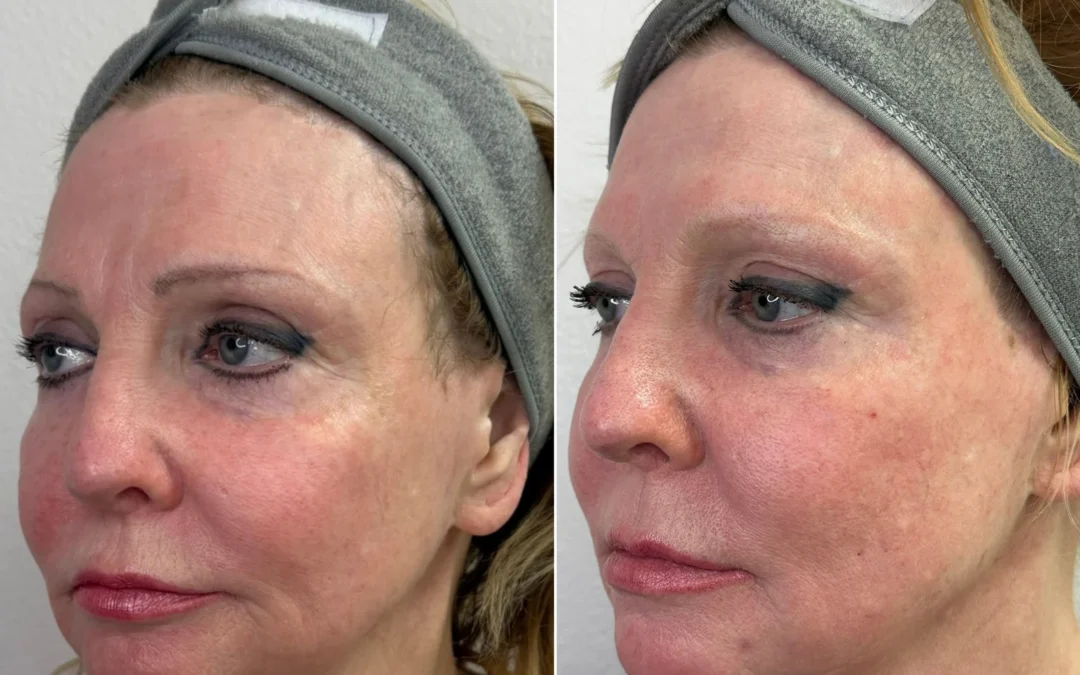
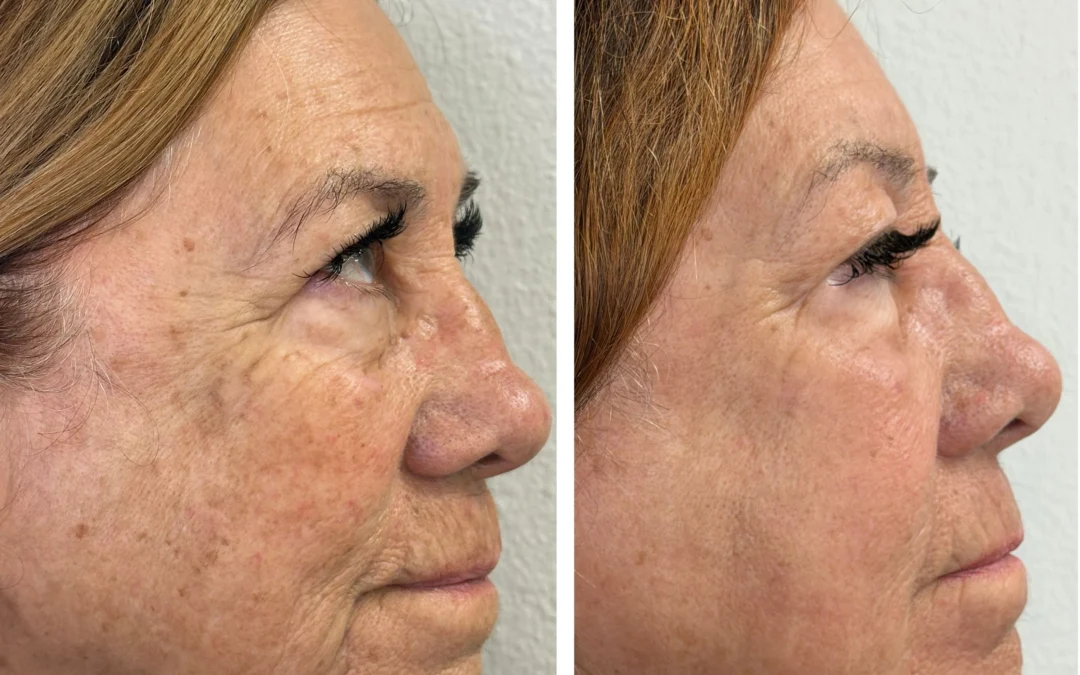
At your first visit in our Las Vegas Medical Spa Clinic, we assess skin type, depth of pigment (epidermal, dermal, or mixed), hormonal history, and lifestyle triggers. A realistic timeline is twelve to sixteen weeks of combined topicals and in-office treatments to see substantial clearing, followed by ongoing maintenance. Patients who commit to the full plan typically see 60–90% improvement and keep it with proper sun and heat management.
The Biggest Mistake Patients Make With Melasma
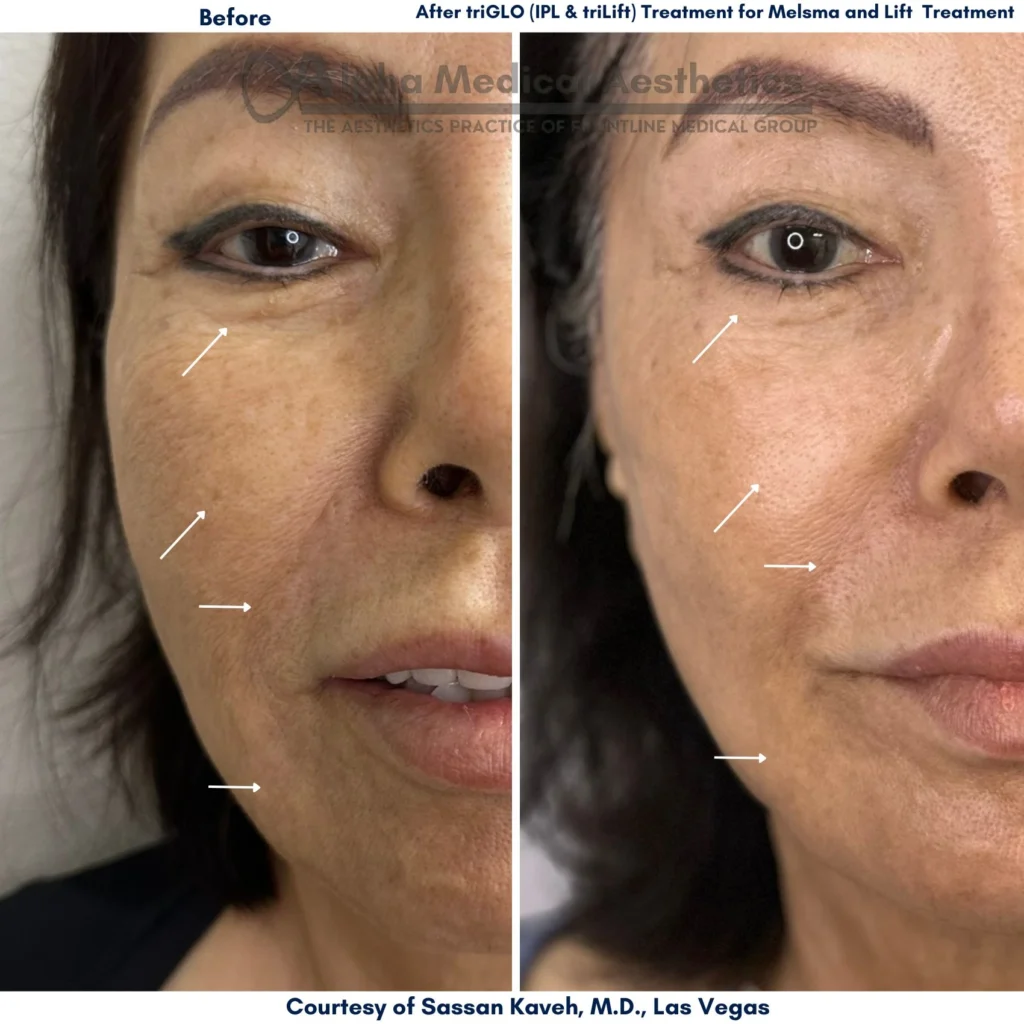
The single biggest mistake is chasing fast results with aggressive treatments. Strong lasers, deep peels, and do-it-yourself prescription combinations almost always backfire on melasma. The skin gets inflamed, melanocytes rebound, and the pigment comes back worse. Slow and strategic beats fast and harsh every single time.
Why Melasma Treatment in Las Vegas Requires Local Expertise
Las Vegas isn’t a gentle environment for pigmented skin. Intense UV year-round, high ambient heat, low humidity, and a lifestyle that often includes pool days, outdoor events, and travel all stack against melasma patients. A provider who understands how Summerlin, Henderson, and valley-wide conditions affect treatment choices, and who selects devices and protocols safely calibrated for darker and hormonally sensitive skin, will get dramatically better results than a generic laser provider.
Final Thoughts: How to Finally Get Control of Your Melasma
Melasma is manageable, not mysterious. When you suppress new pigment, carefully clear existing pigment, and commit to long-term sun and heat protection, the brown patches fade and stay faded. The patients who succeed are the ones who treat melasma as a long-term relationship with their skin, not a one-time fix.
Frequently Asked Questions About Melasma Treatment in Las Vegas
Q: Is melasma curable?
A: Melasma is considered chronic and relapsing rather than curable, but it is highly controllable with the right plan. Many patients maintain near-complete clearance for years.
Q: How long does melasma treatment in Las Vegas take to show results?
A: Most patients see meaningful improvement in eight to twelve weeks and significant clearing by the four-month mark, provided they are consistent with topicals and sun protection.
Q: What is the best treatment for melasma in Las Vegas?
A: There is no single best treatment. The best melasma treatment in Las Vegas is a combined protocol of tyrosinase inhibitors, carefully selected light therapy or peels, and strict sun and heat protection tailored to your skin type.
Q: Can melasma come back after laser treatment?
A: Yes. Lasers alone rarely give lasting results because they don’t address the underlying pigment pathway. Without suppression and maintenance, pigment almost always returns — sometimes more stubbornly.
Q: Does sunscreen really help melasma?
A: Yes, and it’s essential. Use a tinted mineral sunscreen with iron oxides and SPF 50+ daily, even indoors near windows, because visible light and heat both trigger melasma.
Q: Is IPL safe for melasma on darker skin tones?
A: Only in experienced hands and at conservative settings, and only as part of a larger protocol. Improperly used, IPL can worsen melasma in skin types IV–VI.
Keep Learning Before You Book
Choosing the right laser treatment is easier when you know what to expect, what works, and what doesn’t. Before you book, take a few minutes to dig into our most recent expert guides. Find out exactly how many visits it takes to see lasting smoothness in How Many Laser Hair Removal Sessions Do You Really Need for Dramatic, Long Lasting Results?, get a realistic day-by-day look at recovery in CO₂ Laser Healing Timeline: What to Expect Day by Day After Your Treatment, and see how to match the right technology to your pigmentation and sun damage in How to Choose the Right Treatment for Sun Damage in Las Vegas. Together, these articles will help you walk into your consultation informed, confident, and ready to pick the treatment that fits your skin goals.
Schedule Your Melasma Consultation in Las Vegas
Ready to finally get your melasma under control? Our Las Vegas team creates personalized, skin-type-specific plans that actually last. Book your melasma consultation today, or call us at 702-683-2156 to get started. Serving patients throughout Las Vegas, Summerlin, and Henderson.